What does the kapok tree symbolize, and in which months does it usually bloom
I. What does the kapok tree symbolize
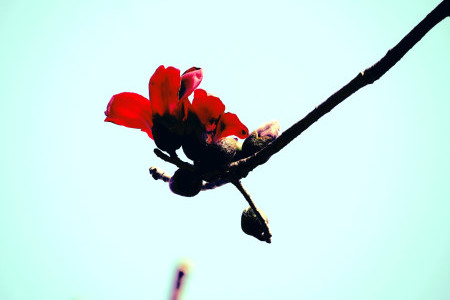
1. Heroism: The kapok tree is also called the hero tree. Although its flowers are quite brightly colored during the blooming period, a rich red, they do not look tacky at all. The red flowers covering the tree are like hot blood, dyeing the treetops red. Even when the flowers fade, they do not lose their color, showing a heroic and unyielding spirit just like a hero.
2. Object of admiration: The kapok tree also symbolizes an object of admiration. It is widely used in the Xishuangbanna region, where a young person one admires is often praised as a kapok tree, highlighting the other person's tall and upright stature and expressing a feeling of admiration.
3. Cherishing happiness: The flower language of the kapok tree is cherishing happiness and cherishing the people around you. Its flowering period lasts one month, but from blooming to fading takes only half a month. Although the flowers are very beautiful, they are so brief, serving as a warning for us to cherish the happiness around us, because happiness does not come easily.
II. When does the kapok bloom
The kapok blooms in early spring each year, specifically between March and April. The flowers open before the leaves, and only after the flowers fade do the leaves gradually grow out. When in bloom, the flower colors are vivid, red or orange-red, and the flowers are graceful with very strong ornamental value. The kapok tree presents a different scene in each of the four seasons. In spring, flowers cover the branches; in summer, green leaves form shade; in autumn, the leaves gradually begin to change color; in winter, it begins to shed its leaves. However, its tree form is tall and graceful, giving it ornamental value throughout the year.