How to fertilize Clivia? Timing and method are key
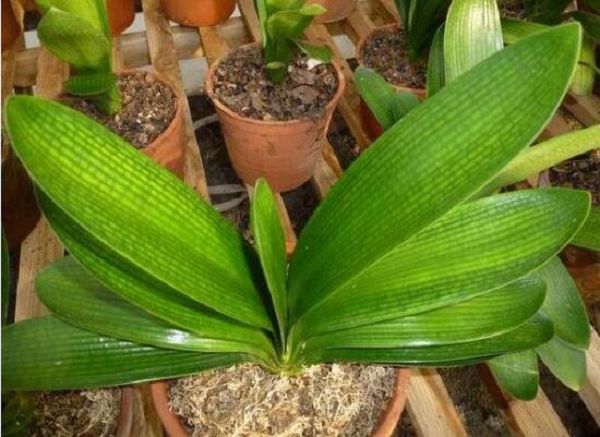
Every plant needs fertilizer during its growth process, and Clivia is certainly no exception. Moreover, when people fertilize, too much or too little fertilizer will affect the normal growth of the plant, and may even affect its appearance. This is also why most people do not know how to fertilize Clivia, and are also unclear about when it is best to fertilize Clivia. Next, let us learn about it together.
I. How to fertilize Clivia
Clivia has a high demand for fertilizer, and each time you fertilize, you can choose among four methods. Usually the most important point is applying base fertilizer, also called basal fertilizer, which plays a major role in creating conditions for development, meeting its own nutrient needs, and better promoting the growth process of Clivia.
After this step is done, you can apply topdressing. Later, as the plant grows larger and the leaves increase, the amount of fertilizer applied should also gradually increase. When fertilizing, first loosen the potting soil and then apply the prepared fertilizer into the soil. However, note that too much fertilizer should not be applied, otherwise it will cause root burn.
II. When is the best time to fertilize Clivia
Clivia is usually best fertilized during the growing period or the flowering period, because at this time it needs a large amount of fertilizer for support. Otherwise, it may fail to bloom, or even grow slowly, with pitifully small leaves. Therefore, when caring for Clivia, as long as the flowering season arrives, you can choose to fertilize more, which can promote its blooming.
And in general, when growing Clivia, barnyard manure (that is, poultry and livestock manure), compost, green manure, soybean cake fertilizer, etc. can be used as base fertilizer (or basal fertilizer); to promote plant growth, fertilizers such as cake fertilizer, fish meal, and bone meal can be applied. To make up for the lack of nutrients in the soil, solve the problem of nutrient deficiency in the plant, make seedlings grow faster and flowers and fruits grow plump and large, foliar topdressing can be carried out.
III. Fertilization methods for Clivia through the four seasons
1. Apply more fertilizer in spring
Spring is the period of vigorous growth for Clivia, with a relatively high demand for nutrients. When repotting, roasted sunflower seeds, hemp seeds, perilla seeds, castor seeds, charcoal, bone meal, etc. can be used as base fertilizer at a proportion of 10%. During the growth period, usually every 10 days or so, apply once a light cake fertilizer water mainly based on nitrogen fertilizer, etc., to promote the growth of branches and leaves.
2. Apply less fertilizer in summer
In summer, the weather is hot. When the temperature is above 25 degrees, Clivia at 25°C should be appropriately reduced in fertilizer or stop fertilization. Too much fertilization will burn the fleshy roots. If the temperature can be lowered below 25 degrees, apply a very light liquid fertilizer once every 15—20 days to promote its growth and shorten the dormancy period.
3. Fertilize frequently in autumn
In autumn, Clivia grows vigorously and needs a relatively large amount of fertilizer. In addition to placing some fermented soybean cake residue, bone meal, roasted hemp seeds, or various base fertilizers at the bottom of the pot when repotting, fermented soybean cake water or fishy water should also be applied once every half month.
4. Fertilize regularly in winter
In winter, Clivia should persist in frequent fertilization during the winter. Apply liquid fertilizer once every 10 days or so (nitrogen fertilizer should not be applied too much, except for small seedlings). Three months before flowering, apply liquid fertilizer mainly based on phosphorus and potassium fertilizers to promote the emergence of flower stalks and blooming.