What fertilizer is better to apply to orchids during the flowering period
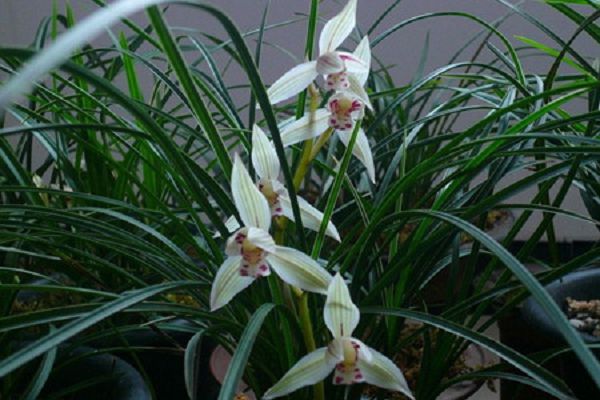
Before the flowering period, mainly nitrogen fertilizer is used to supplement nutrients so as to facilitate flowering. Once the flowering period arrives, fertilizer rich in phosphorus should be applied, which is beneficial to the formation of flower buds, specifically such as bone meal, fish meal, etc. However, the concentration should not be too high, otherwise it will cause fertilizer burn. Moreover, it must not be splashed onto the leaves, and even more so not onto the flowers. After fertilizing, you can water the next day.
I. What fertilizer to use during the flowering period
Orchids have relatively high requirements for fertilizer and also need a large amount of it. At different stages, the types they need are different. Before the flowering period, mainly nitrogen fertilizer is used, which is beneficial to nutrient accumulation so as to facilitate flowering. During the flowering period, mainly phosphorus-containing fertilizer is used, which is beneficial to the formation and development of flower buds. Specifically, there are many types, such as bone meal, fish meal, and so on.
II. Precautions for fertilizing
1. First is the concentration. No matter what type of fertilizer is applied, the concentration must be well controlled and must not be too high. Otherwise, fertilizer burn will be caused, and the plant is very likely to die. Even if it does not die, the plant will be very difficult to recover.
2. When fertilizing, you must be careful not to splash the fertilizer liquid onto the leaves, and even more so not onto the flowers. This easily causes the leaves and flowers to rot, affecting their ornamental value.
3. In addition, after fertilizing, water on the morning of the next day. This is called "reviving water." It can wash away the fertilizer we accidentally got on the leaves and the fertilizer remaining in the pot, reducing the chance of fertilizer burn.
4. When fertilizing, also pay attention to the weather. It is best to apply it on sunny days, and do not use it when it is cloudy and raining or when the humidity is very high.
5. In addition, if the temperature is below ten degrees, or above thirty-five degrees, it is also not suitable for fertilizing. The best time to fertilize is in the evening.