How to grow Clivia miniata so it thrives? A full breakdown of care tips
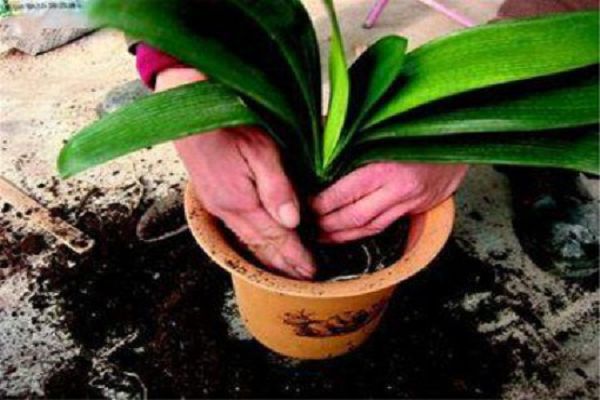
To make Clivia miniata grow vigorously, first ensure a suitable temperature, ideally between 15 and 25 degrees; second, suitable humidity, the higher the temperature the greater the humidity; then suitable light, indirect light is best and strong light should be avoided; next, suitable watering, giving it the right amount of water according to different periods; and finally, a moderate amount of fertilizer, mainly decomposed organic fertilizer.
1. Suitable temperature
It likes a moist, semi-shaded environment and is very afraid of cold; when the temperature is below 5 degrees, it will enter a dormant period. So the best temperature for its growth is between 15 and 25 degrees; if it is above 30 degrees, the plant will stop growing and the leaves will become very long and dense, greatly reducing its ornamental value. So in summer, give it appropriate shade and sprinkle water on the surrounding ground to achieve a cooling effect. Then after winter arrives, give it a low-temperature environment for one month, with 5 degrees being best, and then gradually raise the temperature to help it bloom.
2. Suitable humidity
When it is in a higher-temperature environment, you can increase the humidity for it; for example, when the temperature is 25 degrees, keep the humidity at 50%, and when the temperature reaches 30 degrees, the humidity needs to be raised to 65%. This can meet the leaves' need for moisture, but the humidity must not be higher than 90%, otherwise the leaves will grow excessively.
3. Suitable light
It likes indirect light and does not like strong light. When grown indoors, it only needs to meet general lighting needs, but the indoor light must not be too dim, otherwise it will affect the glossiness of the leaves. At the same time, it must not be exposed to strong light, especially in summer, when it should be given appropriate shade, otherwise yellow-brown spots will appear on the leaves.
4. Suitable watering
In different periods, the water it needs is also different. In spring, if grown indoors, water alternately between dry and wet; if grown outdoors, replenish water in time as needed. In summer, water moderately and sprinkle water on the ground beside the pot to lower the temperature. In winter, reduce the amount of watering appropriately, but the specific amount still needs to be adjusted according to the temperature.
5. Moderate fertilization
It does not particularly like fertilizer, but before blooming it needs more fertilizer, mainly decomposed organic fertilizer; in spring, add base fertilizer when repotting. At the same time, spring and autumn are the periods of its most vigorous growth, so fertilize it more, and then in summer and winter, reduce the amount of fertilizer appropriately to avoid fertilizer damage.