What soil is best for growing Clivia
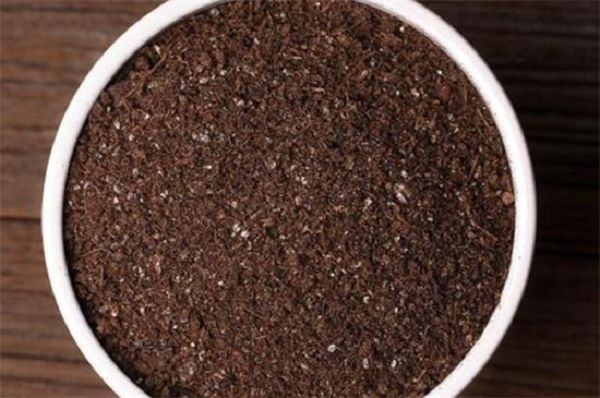
The root system of Clivia has high requirements for soil. The commonly used best soils are leaf mold, pine needle soil, peat soil, humus soil and sandy soil. When using leaf mold, an appropriate amount of grass peat soil should be added and mixed in to promote root growth. If sandy soil is used, it should first be disinfected, and then an appropriate amount of organic fertilizer solution should be added.
1. Leaf mold
Leaf mold is the best soil for cultivating flowers and plants. Because it is rich in humus and the soil has good permeability, it is also generally used when cultivating Clivia, using a mixed soil of leaf mold and grass peat soil, and then adding a small amount of sand and gravel at the bottom of the pot is best, to promote root growth.
2. Pine needle soil Pine needle soil is also one of the commonly used soils for cultivating plants. Because of its good drainage and strong permeability, it is one of the best soils for cultivating Clivia. If it is a Clivia seedling, it is better to mix it with some other soils during cultivation. Peat soil or humus soil can be selected to provide sufficient nutrients for root growth.
3. Peat soil
Because peat soil is rich in organic matter and trace minerals, Clivia grows relatively well in peat soil, but when planting it in a pot, an appropriate amount of sandy soil should be added once, or an appropriate amount of decomposed organic fertilizer solution should be added, as a base fertilizer for the potting soil.
4. Humus soil Humus soil is formed through the long-term decomposition of the dead branches and fallen leaves of many plants. It is rich in nutrients. Because the root system of Clivia is relatively developed, when it grows in humus soil, the plant will grow quickly and will also grow relatively luxuriantly. For newly cultivated plants, it is best to mix in some sandy soil.
5. Sandy soil
The biggest advantage of sandy soil is that its permeability and drainage are relatively good. When Clivia grows in this kind of soil, it is beneficial to root respiration and water infiltration, but when using sandy soil, first disinfect it, and then add an appropriate amount of organic fertilizer solution to the soil.