What are the symptoms of bovine red eye disease? How to prevent it effectively
Many cattle farmers have certainly encountered symptoms like bovine conjunctivitis. This condition generally occurs more often in summer and is also called bovine infectious keratoconjunctivitis. Let us learn together below how bovine conjunctivitis should be prevented.
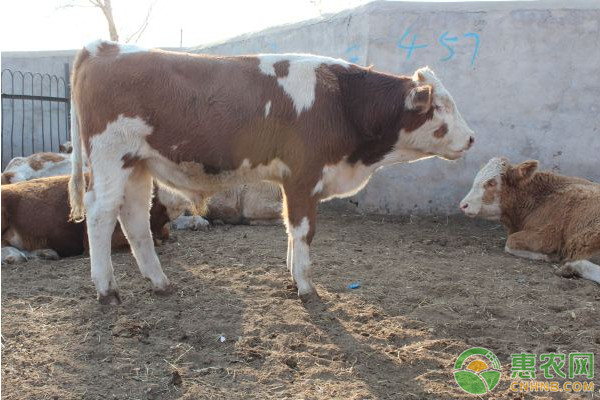
I. Symptoms of bovine red eye disease
Conjunctivitis and keratitis are two conditions. Because their symptoms and treatment methods are similar, and because keratitis is mostly secondary to conjunctivitis, cattle farmers generally treat them as the same condition.
Shared symptoms: After a cow develops the disease, photophobia, tearing, swelling, and pain appear, with serous, mucous, or purulent discharge from the eye.
Different symptoms: After a cow develops conjunctivitis, the eyes become bright red or dark red because of the conjunctival redness, and the symptoms are generally mild; after a cow develops keratitis, corneal opacity, damage, or ulceration appears, and the eyes appear grayish-white, milky white, or even pale blue, and the symptoms are generally more severe.
Cattle farmers only need to remember that red eyes are mostly seen with conjunctivitis, while cloudy and blue eyes are mostly seen with keratitis, and they can distinguish the two diseases.
II. Preventing bovine conjunctivitis
1. After entering summer, be sure to do a good job of keeping the cattle shed sanitary and disinfected. Manure and wastewater should be cleaned up promptly to prevent long-term accumulation and fermentation in the cattle shed, which can produce harmful and toxic substances.
Increase ventilation to reduce the humidity in the cattle shed and replace the air with fresh air. When the temperature is too high, measures should also be taken to cool the cattle shed, such as building shade nets, adding exhaust fans, and sprinkling water on the cattle's bodies.
Install screen mesh on the doors and windows of the cattle shed, use mosquito killer lamps or flypaper and other products inside the cattle shed, and regularly spray medication inside and outside the cattle shed to kill mosquitoes and reduce the nuisance they cause to cattle.
Note: When cattle develop infectious keratoconjunctivitis, isolation and treatment should be carried out immediately to prevent contact with healthy cattle, and the cattle shed should be fully disinfected. In addition, electrolyte multivitamins, astragalus polysaccharide, or Qingwen Baidu and other medications can be used in drinking water to improve the resistance of healthy cattle and reduce the incidence of disease.
III. Treatment plans for bovine red eye disease
1. Continuously flush the affected eye with saline solution. After flushing, apply eye drops or eye ointment, 2 to 3 times a day. Generally, after 3 to 5 days of combined use, it can return to normal.
2. Continuously flush the affected eye with alkaline water or 2% boric acid solution, then use saline solution to flush away the medicinal liquid, 2 to 4 times a day, until it returns to normal.
3. 18 to 30 grams of grass, brewed with 300 milliliters of boiling water, allowed to settle, and the residue removed. Divide into 3 portions, use 1 portion each time to flush the affected eye, 3 times a day, until it returns to normal.
4. 30 grams of guava leaves, add 500 milliliters of water, decoct down to 250 milliliters, remove the residue and filter, then flush the affected eye, 2 to 3 times a day. It can effectively treat the swelling, pain, and itching of keratoconjunctivitis.
5. 30 grams of clove leaves, add 500 milliliters of water, decoct down to 300 milliliters, remove the residue and filter, then flush the affected eye, 2 to 3 times a day. It can effectively treat the itching and heavy eye discharge of keratoconjunctivitis.
6. 40 million units of penicillin and 4 million units of streptomycin, add 500 milliliters of saline solution and mix evenly, then continuously flush the affected eye, 3 times a day. Generally, after 3 to 5 days of combined use, it can return to normal.
7. When the disease is relatively severe and there is ulceration around the eye or the corneal pannus is relatively thick, surgery should be used to clear it, and 400,000 to 800,000 units of procaine penicillin should be injected intradermally into the eyelid or injected at the temple, once a day. Generally, after 5 to 7 days of combined use, it can return to normal.
In summary, the prevention methods for bovine conjunctivitis are provided only for the reference and study of fellow cattle farmers. Those who like it can save it. I hope everyone can be more careful in future cattle farming work and not cause too many cattle diseases, so as to avoid unnecessary losses.