Fertilizer selection tips: pick good fertilizer with ease!
For many farmers, fertilizer is the foundation of developing agriculture. To increase crop yield and quality, various fertilizers are inevitably used. But if fake fertilizer is used, it will not only cause salinization and clumping in the soil and reduce soil organic matter content, but also lead to reduced crop yield. Therefore, not only is the application of fertilizer important, but fertilizer selection is also very important. Next, let's take a look at fertilizer selection methods!
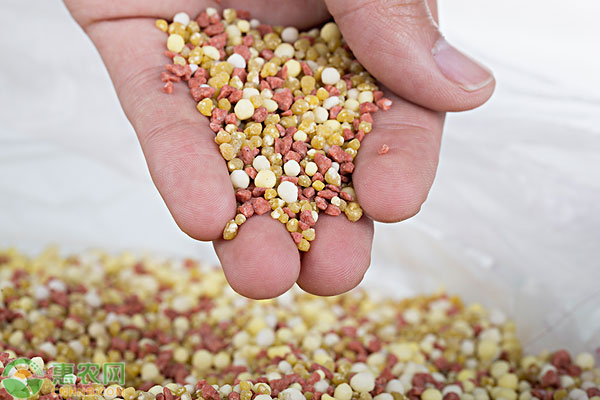
1. Look at the condition
Fertilizer that has not been fully composted or made harmless cannot be used, otherwise it will cause soil pollution, lead to disease and insect damage, or burn seedlings. Generally, fertilizer on the market with a darker color has higher soil organic matter content than that with a lighter color. If it is pure black fertilizer, you must also be cautious when purchasing it, as it is very likely to be fake, substandard fertilizer. In addition, if you keep rubbing and pressing the fertilizer with your fingers and find that it feels gritty, it indicates that small stones or other impurities may have been mixed into the fertilizer.
2. Look at the moisture content
High-quality fertilizer gives a feeling of being neither dry nor wet. If the fertilizer feels very dry when held in the hand, or if it cannot scatter after being released, it indicates that it is inferior fertilizer. This kind of fertilizer is not easy to absorb moisture and dissolve, and it very easily leads to loss of fertility. In addition, fertilizer with too high humidity should also not be purchased.
3. Test water solubility
The higher the water solubility of fertilizer, the better its quality, because crops can only absorb and utilize the nutrients from fertilizer after it has dissolved. Water-insoluble fertilizer cannot be absorbed and utilized by crops. You can put fertilizer into water and observe its dissolution. Fertilizer that can fully dissolve with no precipitate at the bottom is high-quality fertilizer. If it does not dissolve, or if layers appear after dissolution, it indicates that there are relatively many impurities in the fertilizer.
4. Smell the fertilizer's temperature
Fully composted high-quality fertilizer has an aroma. When purchasing fertilizer, you can put the fertilizer in front of your nose and smell it. If you smell ammonia, urea components have been mixed in. This kind of fertilizer has relatively short-lived fertility and very easily causes root burn, so it is not suitable for crops. In addition, if the fertilizer has a pungent odor or a rotten odor, then it is relatively poor-quality fertilizer, and you should pay more attention when purchasing.
5. Fertilizer comparison
The price differences among different fertilizers are specifically reflected in the standard cost of raw materials, while for the same chemical fertilizer, the price is specifically reflected in quality. Therefore, when purchasing fertilizer, you can make more comparisons. If the price difference for the same fertilizer is very large, then the quality of that fertilizer is certainly not good, and you need to pay attention to identifying it when purchasing.
In summary, that is all for the introduction on fertilizer selection. If you want to pick fertilizer of top quality, you must master professional selection methods. I hope this article is of some help to everyone.