What Is Farmyard Manure? Understanding the Definition and Characteristics in One Article
As a type of fertilizer, farmyard manure is favored by many growers in China. The rational use of farmyard manure is highly beneficial for crop growth, yield, and quality. It can supply all the nutrients crops need to grow and does not cause excessive pollution to the environment. However, many people do not know what farmyard manure is. So what exactly is farmyard manure? Below, the editor will give you a brief introduction. Let's take a look!
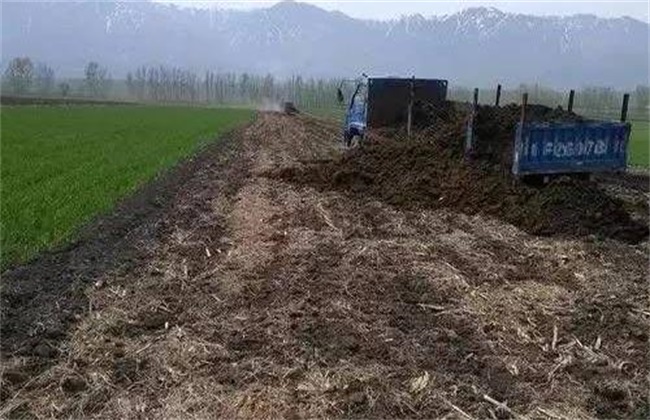
1. What Is Farmyard Manure
There are many types of farmyard manure, and its sources are very wide-ranging. It is available in large quantities and can be obtained locally wherever you are. Compared with chemical fertilizers, its cost is relatively low. Farmyard manure contains fairly comprehensive nutrients, including not only basic macronutrients such as nitrogen, phosphorus, and potassium, but also various secondary and micronutrients such as calcium, magnesium, and sulfur. However, most of these nutrient elements exist in the form of organic matter, so if applied directly, crops find it difficult to absorb and utilize them.
Therefore, when we use farmyard manure, we need to release its nutrients through chemical and physical processes as well as fermentation. After fermentation, it can not only reduce the risk of fertilizer damage to crops, but its fertilizer effect also lasts a long time and is relatively stable. Moreover, the appropriate application of farmyard manure can promote the formation of granular structure in the soil. It adjusts the ratio of air to water in the soil, ensuring the soil is sufficiently loose, improving the soil's water-holding and heat-retaining capacity, and promoting crop growth.
2. Traditional Farmyard Manure
Now, as agriculture becomes more and more developed and the demand for green food grows larger and larger, the planting industry's demand for farmyard manure is also increasing. Moreover, whether from the perspective of food safety or sustainable agricultural production, chemical fertilizers basically cannot completely replace farmyard manure. In many places, because only chemical fertilizers are applied, the cultivated layer of the soil becomes shallower, making it prone to both drought and waterlogging. It also easily burns seedlings and leads to soil acidification. Chemical fertilizers have fewer nutrient types, which is also very detrimental to crop quality and yield. So if you want to ensure soil fertility, organic fertilizer is indispensable, and the commonly mentioned organic fertilizer, human and livestock manure, and so on are traditional farmyard manure.
3. Composted Farmyard Manure
Composted farmyard manure is simply called compost, and mainly refers to the organic fertilizer formed after the decomposition and transformation of organic waste produced by the plants and animals commonly found in our daily lives. After being piled up, compost gradually turns black and is accompanied by a rotten, foul odor, and becomes relatively soft and loose. When composting, be careful to maintain sufficient moisture and stir it evenly. Then seal it tightly to avoid air leakage. When composting, be careful that no smokestacks, residual plant stalks, or pollutants appear. The piling time should be maintained at about two months, and then it can be mixed with fine soil and applied as farmyard manure.
The above is a brief introduction to what farmyard manure is. That is all for today's introduction. This article is for reference only, and I hope it can help everyone!