How to grow orchids so they bloom? Detailed guide to blooming times and care methods
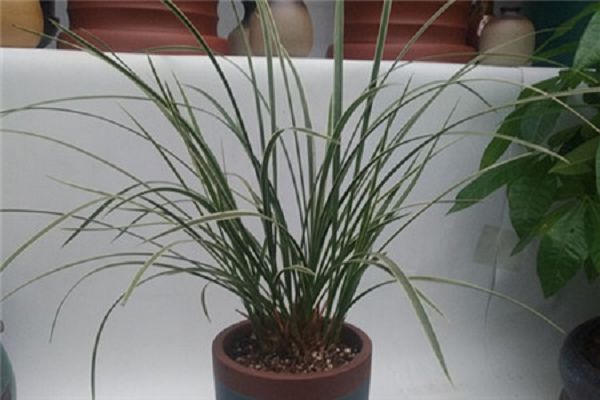
Affected by different varieties and different growing conditions, the blooming time of orchids is not fixed, and there are varieties that bloom in all four seasons of the year. For example, Cymbidium sinense blooms from October to March of the following year, Cymbidium faberi blooms from March to May, Cymbidium ensifolium blooms from May to December, and Cymbidium kanran blooms from December to January of the following year. When growing orchids, pay attention to keeping the growing environment warm and the light and moisture suitable; the soil should preferably be slightly acidic, and fertilizer should also be applied in moderation.
1. Orchid blooming time
Affected by different varieties and different growing conditions, the blooming time of orchids is not fixed. Moreover, as long as they are well cared for, they can bloom many times a year.
Distinguished by different varieties, Cymbidium sinense blooms from October each year to March of the following year, Cymbidium goeringii blooms from January to March each year, Cymbidium faberi blooms from March to May each year, and Cymbidium ensifolium, because of its strong vitality, can bloom from May to December; Cymbidium tortisepalum blooms from March to April each year, and Cymbidium kanran blooms from December each year to January of the following year. It can be seen that as long as orchids are properly cared for, they can bloom at any time of the year. So how exactly should orchids be grown so they bloom? Read on.
2. How to grow orchids so they bloom
Temperature: Orchids like to grow in a warm environment, so in terms of temperature, spring and autumn are more suitable for their growth. The summer temperature is unavoidably too high, so they need appropriate shading. When the winter temperature is too low, they need to be grown indoors to ensure a suitable temperature, but attention should be paid to ventilation.
Light: Orchids need to be grown in an environment with relatively sufficient light, but they are not tolerant of direct strong light. Therefore, when the sunlight is strong in summer, they can be grown in an environment with relatively sufficient scattered light, while in spring and autumn they can receive full sun.
Water: Orchids do not have a high demand for water; it is enough to keep the soil 80 percent moist. The potting soil must not be too wet, and attention should be paid to ventilation and loosening the soil, otherwise it will affect root respiration. In the rainy season, pay attention to preventing waterlogging, and in winter water less or even not at all.
Soil: Growing orchids requires loose, highly draining, humus-rich, slightly acidic soil. A pH value between 5 and 6.5 is more suitable.
Fertilizer: Orchids like fertilizer, but it should not be applied too much, otherwise it is easy to cause fertilizer damage. Applying fertilizer appropriately is enough, and diluted water-soluble fertilizer should be used.