What are the ways to identify water shortage in Clivia?
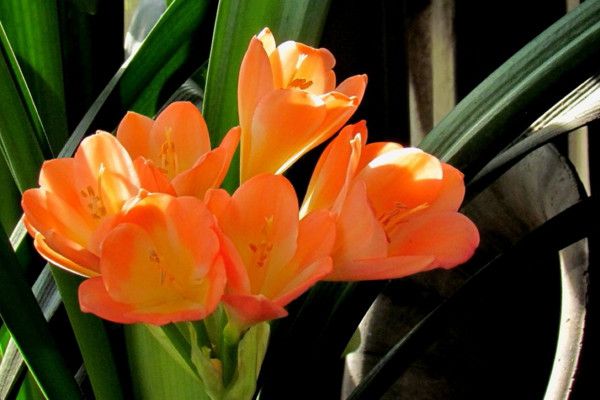
Ways to identify water shortage in Clivia include looking at the potting soil, tapping the pot, weighing it, and using a toothpick to observe. For looking at the potting soil, check whether the surface of the potting soil is dry; if it is dry, it can be watered. For tapping the pot, use a wooden stick to tap the flower pot; if the sound is crisp, it should be watered. For weighing, lift the flower pot to feel its weight; if it is on the light side, water it. You can insert a toothpick into the soil for two days; if there is no mark after taking it out, then water it.
1. Look at the potting soil
To identify water shortage in Clivia, the simplest and quickest way is to directly look at whether the surface of the potting soil is dry. If the soil turns white, is dry, and has cracked, then water it thoroughly once in time. On the contrary, if the soil surface is moist, you can water less to avoid excessive watering causing waterlogging and rotting the plant's roots.
2. Tap the flower pot
If you really cannot tell whether it can be watered, you can use a small wooden stick to tap the flower pot. If the sound produced is relatively loud and crisp, it means there is less water in the pot, and water should be added. If the sound produced is dull and relatively heavy, then the soil is relatively moist and has sufficient water.
3. Weigh it
Generally speaking, when cultivating Clivia, you have a good idea of the weight of the flower pot. When you cannot judge whether it lacks water, you can lift the flower pot to test its weight. If it is a little lighter than when it was just watered, then the water has already been used up, and it is time to water it in time.
4. Toothpick observation
Beginners who have just started growing plants inevitably lack experience. At this time, there is no need to worry. You can insert a toothpick into the potting soil for two days, then take it out to observe the dry and wet condition of the toothpick. If there is obvious moisture on it, it means there is still sufficient water in the soil, and there is no need to water. If there is no obvious mark on the toothpick, and it also cannot be inserted too deep into the soil, it proves that the soil is very dry, and you can water it.