What do orchid roots look like? A detailed explanation of root morphological characteristics
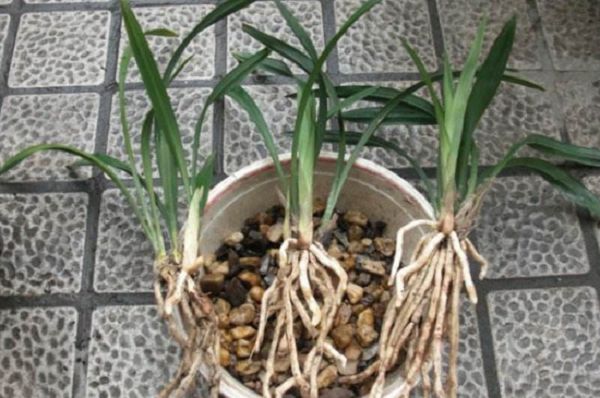
The orchid root system has upright roots and creeping roots. The upright roots are relatively thick and appear flat and round, with shorter internodes, and their surface is brown. The creeping roots are relatively slender, and their internodes are also relatively long, with a yellow-white surface. Orchids grown for many years will also develop woody roots, which need to be pruned in time to avoid nutrient consumption.
Introduction to orchid roots
The orchid is an ornamental plant, but everyone is not very clear about it: orchid roots have no fibrous roots; they consist of thick upright roots and slender creeping roots. The upright roots appear flat and round, have shorter internodes, and are brown, while the internodes of the creeping roots are relatively long and yellow-white.
Orchids grown for many years will also develop woody roots, which absorb nutrients but do not promote plant growth, so roots like these need to be pruned in time to reduce nutrient consumption, thereby promoting the orchid to sprout new roots. If care is improper during this period, rotten roots may also appear, affecting plant growth, so rotten roots need to be pruned regularly.
Orchids grow relatively quickly, so the potting soil needs to be replaced once every year, which can give the roots enough space to grow. When repotting, check whether the roots include slender, weak roots and prune them in time to avoid nutrient consumption, thereby promoting orchid growth.
During growth, orchids also need appropriate nutrient supplementation, which can promote root growth, promote the sprouting of new roots, and make them grow more vigorously. Regularly disinfecting the soil can reduce pests and diseases and make them grow quickly.