What to do if there are spots on the leaves of the Milan flower
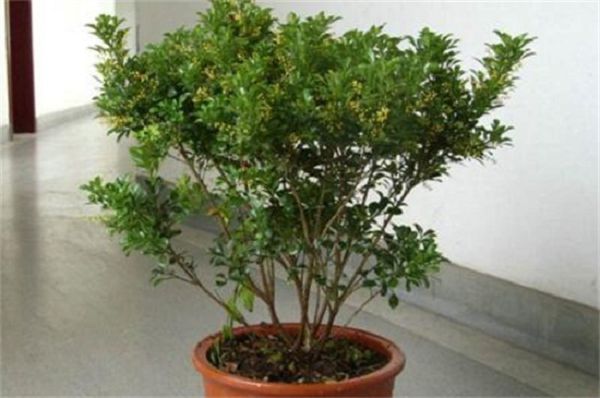
During the growth of the Milan flower (Aglaia odorata), spots on its leaves may be caused by excessive light, so you need to provide good shading and sun protection measures. If the potting soil is poor, you need to prepare new potting soil for its care. If watering and fertilizing are improper, you need to cut off the rotten roots and repot it for care. If it suffers from pests and diseases, remove the affected branches and leaves and spray the corresponding pesticides for control.
1. Shading and sun protection
The Milan flower likes sunlight, but if the summer temperature is too high and it is kept in the sun, its leaves can easily develop spots. At this time, it needs to be moved to a ventilated and shady place, and the leaves need to be sprayed and fertilized in time. Only in this way can the leaves of the Milan flower regain their green vitality.
2. Replace the potting soil
If the potting soil of the Milan flower is compacted and causes this, you need to use leaf mold, garden soil, and fine stones to make the potting soil, and also add organic fertilizer to the potting soil. Only in this way can the roots of the Milan flower spread out better and the spots gradually fade.
3. Control water and fertilizer
Although the Milan flower likes to grow in moist soil, if watering and fertilizing are improper and the roots rot, then not only do you need to replace the potting soil in time, but you also need to cut off the rotten roots in time and repot it for care. You also need to control the amount of watering and fertilizing, and only when the leaves recover can you care for it normally.
4. Pest and disease control Generally, when the Milan flower suffers from pests and diseases such as sooty mold and leaf blight, some of its branches and leaves will show disease spots. If the diseased branches and leaves persist for a long time, it may cause the whole plant to die. You need to immediately cut off the diseased branches and leaves, wash the branches and leaves with clean water, and place it in the sun to spray corresponding pesticides such as thiophanate-methyl for control.