Six common causes of high chick mortality
In the whole farming process, the first step is brooding. Chicks have poor resistance, so management in every area must be done well to effectively improve brooding survival rates. During the brooding process, these six causes very easily lead to chick death. Below is a detailed introduction to exactly what these six causes are.
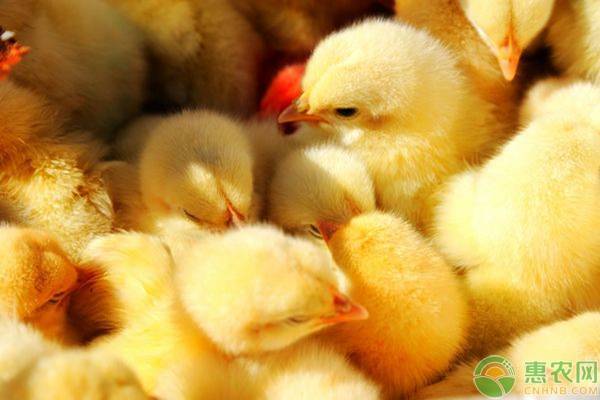
1. Disinfection and sterilization
Before chicks arrive, if the chicken house is not thoroughly cleaned and not fumigated for disinfection, and only sprayed once or twice with disinfectant, microorganisms will persist for a long time, and chicks are susceptible to infection by E. coli, Streptococcus and other bacteria, leading to death.
2. Chicken house temperature
Before chicks arrive, if the poultry house is not preheated enough, chicks huddle together and are crushed to death; if the temperature is too high, chicks breathe heavily and lose more water; if the temperature fluctuates, chicks easily catch cold, leading to diarrhea and dehydration, all of which also harm the absorption of the yolk.
3. Chicken house environment
When brooding in spring and winter, people only think about keeping warm and neglect proper ventilation to keep the air in the poultry house fresh, causing nitrogen dioxide and carbon monoxide levels to be too high, resulting in mild respiratory symptoms or, in severe cases, poisoning.
4. Feeding density ⟧11⟧Most farms overstock their flocks. Overstocking makes flock density too high, makes it inconvenient to observe the flock's condition, leads to uneven growth, poor air quality, and rapid spread of disease, thus causing a relatively high mortality rate.
Most farms have a situation of overfeeding, and overfeeding makes the flock density high, which is inconvenient for observing the flock's condition, results in uneven growth and development, poor air quality, and rapid spread of disease, thus leading to a relatively high mortality rate.
5. Abuse of medication
After chicks arrive, instead of using special chick medication to prevent pullorum disease, farmers follow what drug sellers say, using large amounts of antibacterial drugs, and even using up in a few days antibacterial drugs labeled for mixing with 200 kg of water, which increases the burden on the liver and kidneys and causes many chick deaths.
6. Delayed immunization
Flocks are very prone to respiratory symptoms. As soon as some chicken farmers hear the flock breathing too loudly, they stop giving medication, delaying treatment of key infectious diseases such as Newcastle disease and bursal disease, which leads to outbreaks of infectious diseases. In addition, when brooding in autumn, they do not pay attention to early vaccination against fowl pox, and only vaccinate against fowl pox at 60 days or 120 days, resulting in severe fowl pox, especially the laryngeal form of fowl pox, which is even more likely to cause death.
During the growth and development of chicks, these points require special attention. To effectively ensure chick survival rates, everyone must make sure these aspects are done well during brooding. Regarding chick brooding, is there anything else you would like to add?