What are the steps for post-farrowing examination of sows and the key points of care?
During farrowing, every reproductive organ of the sow undergoes strong changes due to compression and squeezing, and her resistance also decreases. This is especially true in severe winter, and in serious cases it can cause the sow's death. Therefore, after farrowing, the work of post-farrowing examination and care measures must be done well. Next, the editor will explain in detail the key points of post-farrowing examination and care for sows.
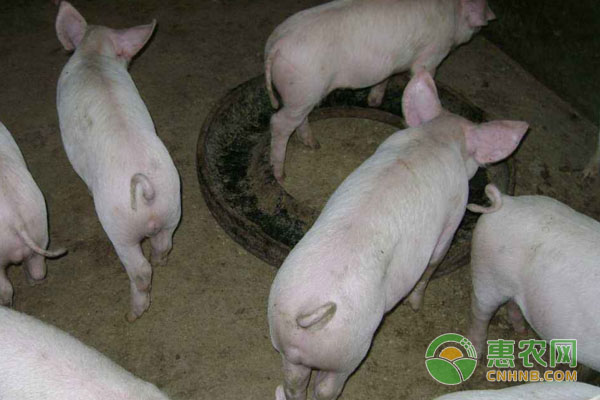
I. Normal conditions of sows after farrowing
1. Within 72 hours after farrowing, careful observation is needed until the afterbirth is completely expelled.
2. During the farrowing process, only a small amount of afterbirth is expelled; most of the afterbirth will be cleared within 1-3 hours after the last piglet is born.
3. The surface of the afterbirth tissue is fresh, with no rotten material and no distinctive odor.
4. The normal conditions of sows after farrowing are mainly shown as: stable and calm, normal nursing, normal feeding and drinking, but with a small feed intake.
5. The lochia from the vulva of the sow after farrowing is milky white in color and lasts for 3-4 days.
II. Post-farrowing examination of sows
1. After the sow finishes farrowing, observe at least once every hour.
2. If the afterbirth has not been expelled within 4 hours after farrowing, report to a veterinarian or technician.
3. When the afterbirth is expelled, check whether there is any putrefaction, and check whether the rectal temperature is normal (39-39.9°C).
4. Check whether the sow's eating and drinking are normal. If abnormal, pay more attention, and understand that this can be a sign of problems appearing.
5. Check whether the sow is quiet and whether nursing is normal.
6. Check the lochia. If it is thick milky white or contains blood, the sow's body temperature should be checked.
7. Observe around the sow's eyes. If the mucous membrane is bright red, it indicates that the sow may be in a high-fever state.
8. When the sow's body temperature exceeds 40°C and she does not eat feed, highly effective antibiotics can be injected and treatment can be started.
9. If the sow is suspected of having endometritis, inject prostaglandin 36-72 hours after farrowing and start treatment.
10. If the expulsion of the afterbirth is delayed or endometritis occurs, more attention should be paid to the condition of the udder.
III. Post-farrowing care work for sows
1. Environmental control
a. After the sow finishes farrowing, immediately clean the afterbirth thoroughly, and at the same time wipe the rear body and vulva with disinfectant.
b. Keep the pig house dry and clean as a growing environment, and control the pigpen temperature at 20-23°C, which is most suitable.
c. Keep the pig house quiet to prevent the sow from being startled by loud noise, which would affect the endocrine system or cause difficulty in milk secretion.
2. Recovery of the sow's energy after farrowing
a. The sow will stop drinking water before farrowing, so after farrowing she is very likely to be tired and thirsty. At this time, replenish energy immediately. You can feed 1% saline, electrolyte solution, multivitamin water, etc. If the sow's recovery ability is poor, intravenous infusion can be given immediately.
b. Three days after farrowing, the sow needs to be driven to the exercise yard for appropriate exercise to improve the body's resistance, and at the same time feed a certain amount of nutrients to promote the sow's physical recovery.
3. Feeding of sows after farrowing
a. Do not feed feed within 6-8 hours after farrowing, because the sow's body function is poor after farrowing and metabolism will be impaired. Feeding at this time will be unfavorable for gastrointestinal digestion and absorption, so the sow's nutritional needs can then be gradually met afterward.
b. On the second day after farrowing, feed high-quality, easily digestible grain feed. When feeding, the feed needs to be made into porridge, which is beneficial for the sow's digestion.
c. Two days after farrowing, the sow's digestive function gradually recovers, and normal feed can then be fed.
d. Three to five days after farrowing, appropriately increase the amount of feed to ensure sufficient milk production of the sow and meet the needs of nursing.