What Fruit Is Pepino Melon? Nutrition Content and Growing Care Methods
The Nightshade family (Solanaceae) provides a large number of our basic food plants, the most common of which is the Irish potato. A lesser-known member, the pepino melon shrub (Solanum muricatum), is an evergreen shrub native to the mild Andean regions of Colombia, Peru and Chile.
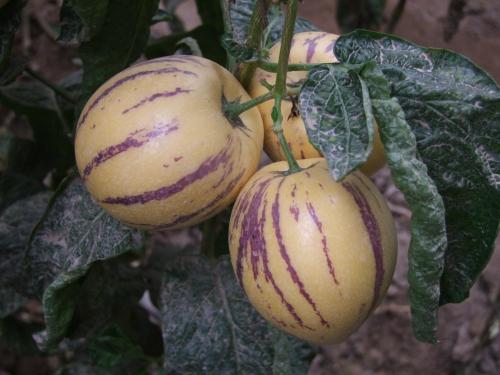
What is a pepino melon? The origin of the pepino melon shrub is currently unclear, but it does not grow in the wild. Cultivated pepino plants are grown in the temperate regions of California, New Zealand, Chile and Western Australia, and look like a small woody shrub around 3 feet tall that is hardy to USDA growing zones. The leaves look very similar to those of the potato, although its growth habit resembles that of the tomato, and for this reason it may often need staking. The plant will bloom from August to October, and fruit appears from September to November. There are many pepino varieties, so the appearance may vary. The fruit from a growing pepino plant can be round, oval or even pear-shaped, and can be white, purple, green or ivory with purple stripes. The taste of the pepino fruit resembles the taste of honeydew melon, hence its common name pepino melon, and it can be peeled and eaten fresh.
Additional pepino plant information, sometimes called pepino dulce, tells us that the name 'Pepino' comes from the Spanish word for cucumber, while 'dulce' is the word for sweet. This melon-like fruit is a good source of vitamin C, containing 35 mg per 100 grams. The flowers of the pepino plant are hermaphroditic, having both male and female organs, and are pollinated by insects. Cross-pollination may result in hybrids and explain the great differences between fruits and leaves in growing pepino plants.
Pepino Plant Care
Pepino plants can be grown in sandy, fertile or even heavy clay, although they prefer alkaline, well-drained soil with an acidic to neutral pH. Pepinos should be planted in sun and moist soil. Sow pepino seeds indoors or in a warm greenhouse in early spring. Once they reach a large enough size for transplanting, move them to individual pots, but keep them in the greenhouse for their first winter. Once they are one year old, after the danger of frost has passed, move the pepino plants outside to their permanent position in late spring or early summer. Protect them from frost or cold temperatures. Overwinter them indoors or in a greenhouse. Pepino plants will not set fruit until nighttime temperatures exceed 65 degrees Fahrenheit (18 degrees Celsius). The fruit ripens 30-80 days after pollination. Harvest the pepino fruit before it is fully ripe, and it will store for several weeks at room temperature.