Growing Clivia in water is actually not hard; the method is simple and easy to pick up
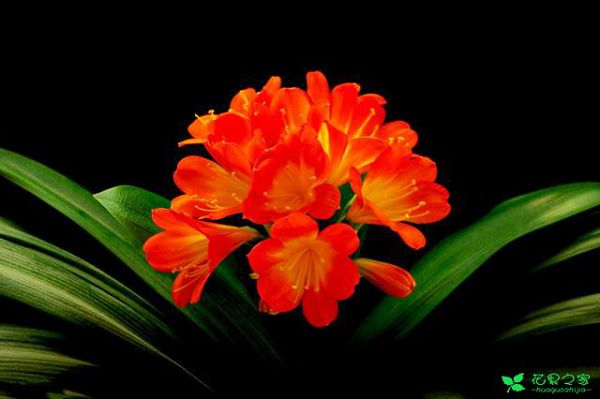
Hydroponic plants are clean and beautiful, with very good ornamental value. When you hear "hydroponics," do you immediately think of pothos? Clivia has lush, glossy leaves, and its flowers point upward like torches, with orange-red petals, dignified and elegant. Many flower enthusiasts grow them. But some people are unwilling to spend time carefully caring for them, and in that case you can choose water culture, only needing to add nutrient solution when changing the water, which is both simple and convenient. Growing Clivia in water is actually not hard at all; if you don't believe it, read on.
Choosing a container
When growing plants hydroponically, choosing a good container is very important. The most common choice is a transparent glass container (a fish tank works too), so you can fully appreciate the roots, stems, leaves, and flowers of the plant. For hydroponic Clivia, you can choose a mature plant 2 to 3 years old, wash off the soil from the roots, then soak them in a 0.05% to 0.1% diluted potassium permanganate solution for 10 minutes. After taking it out, rinse it once with clean water, then plant it in the container. The depth of the added nutrient solution must not exceed the pseudobulb at the base of the Clivia.
Preparing the nutrient solution
You can buy a special nutrient solution for hydroponic Clivia at a plant market, or mix it yourself. Here I have two nutrient solutions provided by flower enthusiasts for your reference: 1. Method for preparing an inorganic nutrient solution: 1.5 g calcium, 0.01 g ferrous sulfate, 10 g urea, 1 g monopotassium phosphate, 0.5 g magnesium sulfate, dissolved in 1000 g of water and it is ready to use. 2. Method for preparing an organic nutrient solution: 100 g roasted hemp seed meal, 100 g bone meal (made from unsalted fresh bones), 150 g soybean cake meal, 50 g roasted sesame powder, then dissolved in 1000 g of water. (For reference only; no responsibility if the plant dies.)
Choosing water
For hydroponic Clivia, you cannot use tap water directly; everyone should know the reason. Put the tap water in a container and expose it to the sun for 3 to 5 days, and then it can be used (or use mountain spring water). Note: if the water level is too shallow, the Clivia cannot get a sufficient water supply; if the water level is too deep (submerging the pseudobulb), it will cause the roots to rot. During cultivation, observe the changes in water quality more often. If you find that the roots are turning yellow or black, it shows that the water is both lacking oxygen and low in nutrients, and you must change the water immediately.
Care environment
The care environment is nothing more than these three things: air, sunlight, and temperature. Whether the roots of hydroponic Clivia get ventilation is the key to whether your Clivia survives. After growing hydroponic Clivia for a period of time, some thick substances will appear on the roots, which will affect root respiration and pollute the nutrient solution. We should regularly use a soft, clean brush to gently brush away these substances. In addition, you should often increase the oxygen in the water; you can use a small oxygen pump to supply oxygen to the water. Clivia is a semi-shade, semi-sun plant, and its suitable growth temperature is 18 to 22°C; temperatures below 5°C and above 30°C will inhibit its growth. Pay attention to light, especially in summer, avoiding direct strong sunlight and letting it receive scattered light. In addition, according to the light-facing characteristic of Clivia leaves, pay attention to making the leaves receive light evenly, otherwise the leaves will be uneven in length and the growth direction will also be staggered front and back; generally, the light angle should be adjusted once every two or three days.