What are the precautions for repotting a clivia (Clivia miniata)?
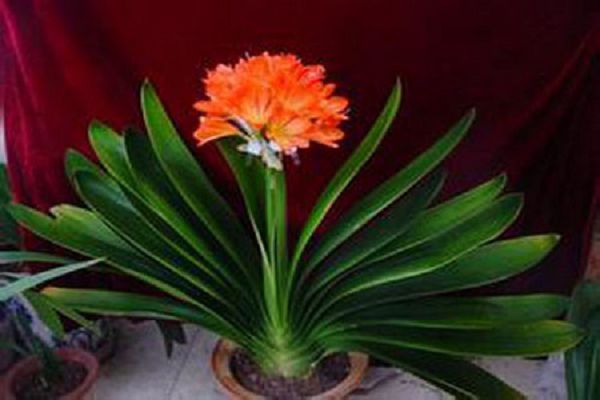
Pay attention to the timing of repotting; it is best to do it when the temperature is above 15 degrees. Before repotting, trim the roots first, cutting off rotten roots and old roots. Soil selection also matters; it is best to use a mix of leaf mold, garden soil, river sand, etc. The pot can also be changed; if using an old pot, remember to disinfect it. After potting, pay attention to care until the plant has fully adapted.
1. Repotting time
If the clivia seems to be growing poorly and has not bloomed for a long time, then the soil has likely gone bad and it needs repotting. Temperature is very important when repotting; it is best to repot when the temperature is above 15 degrees. It is generally done in March or April.
2. Trimming the roots
Before repotting, be sure to trim the roots a little. This way the clivia will adapt to the new environment faster and grow better afterward. Cut off the aged and tangled roots, and the weak ones can be discarded too. Generally, one third of the root system needs to be cut off. If there are rotten roots, after trimming they need to be soaked in potassium permanganate for 20 minutes.
3. Preparing the soil
Soil selection is very important; it is best to mix it yourself. Leaf mold, garden soil, river sand, etc. can be mixed together. You can also add some wood shavings, rotting tree bark and similar materials to enhance the soil's air permeability and drainage.
4. Whether to change the pot
The pot can be changed or not, depending on the size of the plant. If the pot is no longer big enough, change to a larger one. If you still use the old pot, it needs to be disinfected before potting, for example with carbendazim, or by sun exposure.
5. Care afterward
After potting, first water thoroughly. Then, place the plant in a cool, well-ventilated spot. Keep the surroundings warm and humid until the plant has fully adapted to the new environment.