Detailed Explanation of Chick Rearing Methods and Disease Prevention and Control Techniques
I believe most people in rural areas have raised chicks. For professional farmers, chicks are very difficult to raise well. A moment of carelessness can lead to chick deaths and economic losses. If raised well, farmers can obtain higher economic returns. So how should chicks be raised? How should chick diseases be prevented? Let's take a look together below!
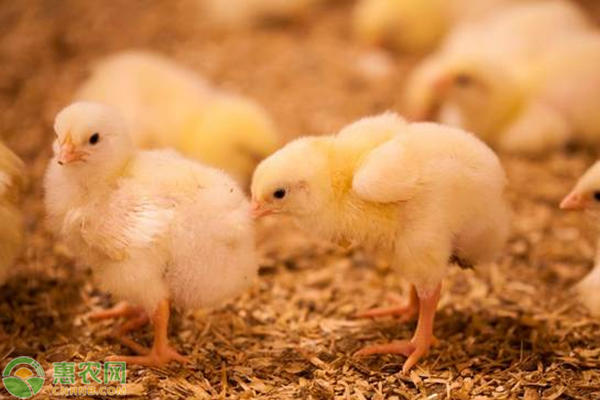
I. How to raise chicks?
1. Temperature and humidity control
When brooding chicks, be sure to control temperature and humidity well. Remember that the temperature in the brooding room must not fluctuate. Generally, chicks at different stages have different heat tolerance. If temperature and humidity problems occur, they will immediately cause dehydration and digestive tract diseases in chicks. Generally, for 3-day-old chicks, brooding is suitable in an environment of 34-36°C, and humidity can be controlled at around 65%-70%. Later, as the chicks grow over time, the temperature and humidity can be gradually reduced.
2. Drinking water and feeding
Because chicks still have some unabsorbed yolk in their bodies, giving chicks water promptly can promote the absorption of yolk. While helping chicks absorb it, it can also improve the chicks' resistance. In addition, an appropriate amount of fructose and water-soluble vitamins can be added to the drinking water, and the cleanliness of the drinking water should be maintained to improve the chicks' disease resistance. Feeding should be done in small amounts and frequently, and ensure that the chicks finish the feed at one time to prevent waste.
3. Lighting and rearing density
The feeding, movement, and drinking water of chicks are greatly related to lighting and rearing density. Unreasonable lighting and rearing density will make chicks restless and reduce their appetite, harming their health. Uneven rearing density will cause chicks to grow to different sizes and make them prone to illness. Therefore, mastering lighting and rearing density is also very important.
II. How to prevent chick diseases?
Chicks have low resistance and are susceptible to diseases. Especially when chicks are raised in large groups, outbreaks such as Newcastle disease, infectious bursal disease, Marek's disease, and infectious bronchitis occur. Once the disease develops, it is generally collective. In order to suppress the spread of the epidemic, disease prevention must be done well. Generally, at 1 day of age, chicks are injected and vaccinated with Marek's disease vaccine. At 2-5 days of age, chicks are given opening medicine through drinking water to help clean up Salmonella infection in chicks. Injecting and vaccinating chicks with avian influenza virus oil vaccine can prevent Newcastle disease and infectious bronchitis. For chicks at 22-25 days of age, some antibiotic drugs are used to prevent respiratory diseases in chickens.
In summary, the detailed introduction on how to raise chicks ends here. If everyone wants to manage chicks, every detail of rearing may have an impact on chicks. In particular, attention should be paid to the prevention of chick diseases, so that chick rearing can achieve twice the result with half the effort.