Fix Clivia "arrow clamping" in 5 days, learn one trick to pull the flower out
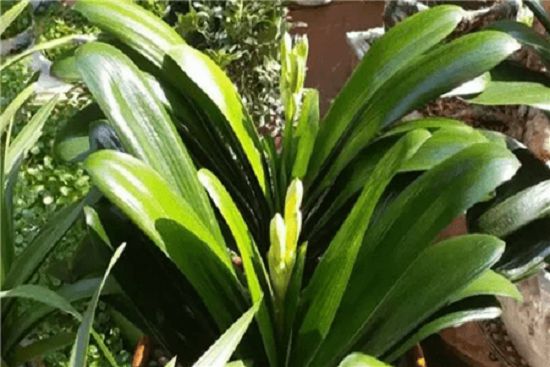
Low temperature, insufficient indoor temperature difference
1. The suitable temperature for Clivia growth is around 20°C. If the temperature is too low during the preparation for flowering, or if the temperature difference between morning and evening where the Clivia is placed at home is small, both will affect the arrow-shooting process and cause Clivia to exhibit arrow clamping.
2. Once you notice signs of Clivia shooting its arrow, take measures quickly. We can move it to an air-conditioned room at home to control the temperature. When the temperature rises, it can be placed indoors during the day and moved to the balcony at night. Generally, at 25°C during the day and 15°C at night, Clivia will grow very well.
Insufficient water
1. When Clivia is shooting its arrow, cells divide quickly and water consumption is relatively high. At this time, if not enough water is given, it will also bloom early and cause arrow clamping.
2. When flowering, water more frequently than usual to keep the Clivia's soil moist. In spring, water about once a week; there is no need to water thoroughly, just water when it is dry.
Insufficient nutrients, no momentum
1. Clivia's arrow shooting requires a large reserve of energy. If the Clivia did not obtain enough energy earlier, it will not have sufficient momentum to extend upward. But waiting until it blooms to apply base fertilizer will definitely be too late.
2. Setting aside other factors, if your Clivia's earlier fertilization was not kept up, when it is shooting its arrow you can try diluting a 1% potassium dihydrogen phosphate solution and spraying it on the Clivia's roots and leaves, or you can also choose other foliar fertilizers.
Soil compaction, reducing absorption capacity
1. Clivia's root system is thick and strong, with a strong ability to absorb nutrients. If the potting soil is too hard and is not loosened or replaced in time, it will affect Clivia's absorption of nutrients, and this can also become a reason affecting its arrow shooting.
2. It is recommended to repot and change the soil for Clivia every year, and to loosen the soil often, thereby improving the soil structure and helping Clivia's roots grow better and absorb nutrients.
Insufficient light
1. Only sufficient light is conducive to Clivia converting the absorbed nutrients into the energy needed for its own growth. Insufficient light will definitely have a certain impact on Clivia's arrow shooting.
2. In spring, external light becomes stronger and stronger. Clivia can be placed in a spot with sunlight but no direct sunlight for care. In summer, avoid direct sunlight. After entering winter, light should be increased; simply place the Clivia on a south-facing balcony.
Clivia aging or root damage
1. If Clivia has been planted for too long, the problem of plant aging will appear. In addition, excessively high temperature and overly moist soil will cause root rot. Both will affect Clivia flowering, and it will not be able to shoot its arrow.
2. We can cut off the aged or rotted roots, then sterilize the wounds: soak them in a 0.1% potassium permanganate solution for 5 minutes, then dip them in a little carbendazim, then air-dry them in a cool place for one to two days, and then plant the plant back into the flowerpot.