What to do when a Clivia miniata (kaffir lily) has root rot? Do these two things well and you can easily save it
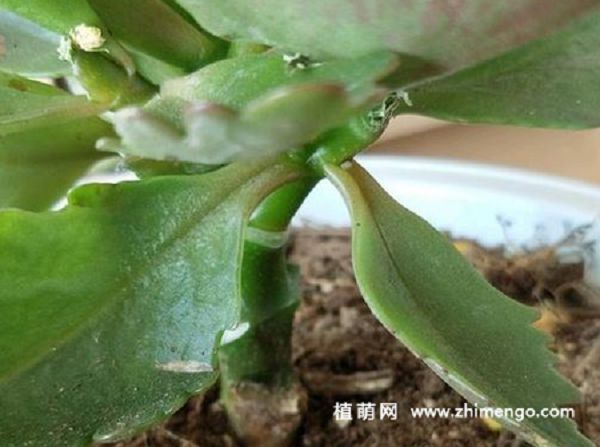
I have several pots of Kalanchoe blossfeldiana at home, and they have been getting root rot one after another. I already gave up on one at the beginning of April, and today I found that another one has a problem. The stem at the soil surface has already turned slightly black, and I feel that the roots below have rotted. The Kalanchoe blossfeldiana plants have been getting root rot one after another, so I asked fellow flower growers,
and the fellow growers gave some suggestions, so I have put them together, hoping they will help fellow growers with similar problems.
What to do when Kalanchoe blossfeldiana has root rot 1. Preparation work
Move the potted Kalanchoe blossfeldiana with root rot or soft stems and leaves to an open courtyard or a table, and prepare to take it out of the pot to check the degree of root rot. Prepare scissors or a utility knife, which must be disinfected before use, carbendazim, a new flower pot and soil, clean water, etc.
2. Removing the plant from the pot
First take the problematic Kalanchoe blossfeldiana plant out of the pot. The process of removing it from the pot is fairly simple, and I have said quite a bit about it before. Just gently pat the sides and bottom of the flower pot to separate the soil from the pot, then use a trowel to scoop out the soil, then hold the Kalanchoe blossfeldiana plant and directly take the flower pot away.
Of course, this pot of Kalanchoe blossfeldiana is not large, so you can just scoop away the soil and then take out the plant.
3. Checking for root rot and cutting it off
After taking the Kalanchoe blossfeldiana plant out of the pot, wash off the soil from the roots and observe how the root system has rotted. If only part of the root system has rotted, then just cut off the rotten roots directly, and be sure to cut off all the rotten parts.
If the root rot is very severe, for example if all the roots have rotted, then directly cut off all the rotten roots until the cut on the stem shows no black.
4. Disinfecting the roots
After cutting off all the rotten roots of the Kalanchoe blossfeldiana, prepare a basin of clean water, add carbendazim, and stir it evenly, then put the trimmed Kalanchoe blossfeldiana into the solution and soak it for 10 minutes for disinfection and sterilization.
After soaking, take the plant out and place it in a ventilated and shady place to let the cuts dry.
5. Potting/cutting
If the root rot is not especially severe, after cutting, disinfecting and drying, you can directly pot the Kalanchoe blossfeldiana plant. Add some granules to the bottom of the flower pot, spread soil on top, then plant the Kalanchoe blossfeldiana into the flower pot, and water once after planting to settle the roots.
If the root rot is severe and there are no roots left after pruning, then you can cut the plant into sections for cuttings, each section about 3-5 cm, prepare new potting soil, directly insert the Kalanchoe blossfeldiana stems and leaves into the soil, and water to keep it moist.
6. Care after potting and cutting
Whether repotting or taking cuttings, be sure to place the pot in a ventilated and shady place. Generally wait for 1 week, then gradually give a little scattered light. For cuttings, you need to wait until the stems and leaves have taken root before giving light, but during this period the soil should not be dry, and the soil should be kept slightly moist.
How to prevent root rot 1. Avoid water accumulation
Although Kalanchoe blossfeldiana likes a moist environment, during cultivation you must control watering well. If the watering frequency is high, the amount is large, and the soil has poor air permeability, then in such an environment it is most likely to cause root rot in Kalanchoe blossfeldiana. During normal care, you must control your hands,
observe the dryness of the potting soil more, and water reasonably. Otherwise the Kalanchoe blossfeldiana will be watered to death.
2. Potting soil problems
If the soil is compacted and accumulated water cannot drain away, it is easy to cause root rot. Therefore, for the soil used to plant Kalanchoe blossfeldiana, choose loose and breathable loam, and loosen the soil often, so that the soil is breathable and permeable and does not accumulate water. In this way, the root system of Kalanchoe blossfeldiana has a good growing environment and can grow better.
For home planting, the soil can be made with humus soil and garden soil, adding an appropriate amount of sand, and stirring evenly. The loam mixed in this way is breathable and permeable, and is more conducive to the growth of Kalanchoe blossfeldiana.
If, for a Kalanchoe blossfeldiana plant that is not large, you use a relatively deep flower pot when planting, and the ventilation of the environment is also poor, it is also easy to cause root rot in Kalanchoe blossfeldiana. The size and depth of the flower pot should be determined according to the size of the plant.