How to grow and care for Tillandsia (air plants): methods and precautions
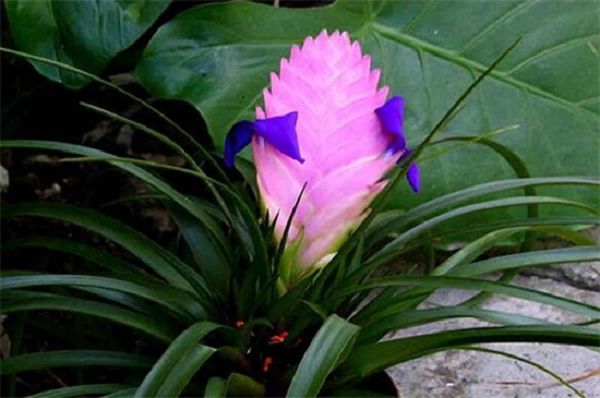
Tillandsia is elegant and beautiful. The main growing methods are: keep it in light for 5 hours a day, keep it in a semi-shaded environment during hot seasons for best results, keep the potting soil on the moist side, apply phosphorus and potassium fertilizer plus a small amount of magnesium fertilizer once a month, and repot it once every 1 to 2 years. In this way, Tillandsia will grow better.
1. Plenty of sunlight
If you are growing Tillandsia, it is generally placed in an environment with plenty of sunlight to grow; it can tolerate partial shade. In midsummer, it is best to shade it appropriately and place it in a spot with half shade and half sun. It should receive at least 5 hours of light a day, or it can simply be placed in bright, indirect sunlight.
2. Suitable temperature
To ensure proper care, temperature is the key first of all. Since Tillandsia likes to grow in a warm environment, the suitable temperature in summer is 20°C to 30°C, and in winter it is 15°C to 18°C. Below 0°C it is difficult for it to grow, and flowering is slower.
3. Proper watering
When caring for Tillandsia during its growing period, it is best to keep the potting soil on the moist side. In hot summer, water it once each morning and evening, and it is best to place it in a spot with good ventilation. In winter, simply keep the potting soil moist.
4. Fertilizer management
When fertilizing Tillandsia, it is best to fertilize along with watering. During the growing period, generally apply a nitrogen-phosphorus-potassium fertilizer solution once a month, then apply a small amount of organic fertilizer solution once every 20 days, and appropriately add a small amount of magnesium fertilizer, best following the principle of applying lightly and often.
5. Repotting
If you want Tillandsia to bloom better, it is best to repot it once every 1 to 2 years. When repotting, first place a layer of coarse soil at the bottom of the pot, then cut off the decayed and rotten roots from the old roots. After transplanting, water with an appropriate amount of water to ensure a good ventilation environment for best results.
6. Flower forcing
Under natural conditions, when Tillandsia has enough leaves for flowering, it is best to keep applying low-nitrogen fertilizer. Stop all fertilizer 3 weeks before forcing flowers, and just water it. Also promptly thin out the flower buds to promote the flowering effect.