What is the correct method for repotting and changing the soil of a clivia?
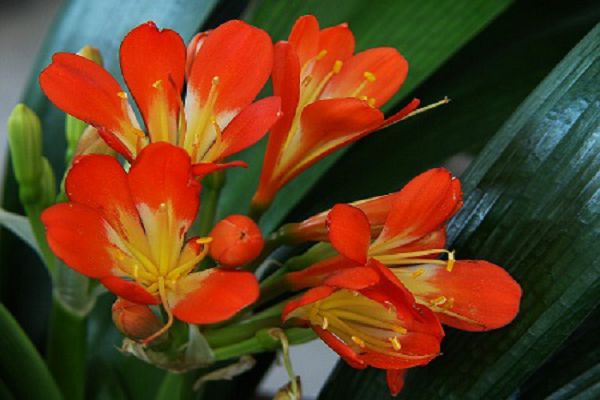
Repotting a clivia is generally done in spring and autumn. First, prepare new soil and a new pot. Then take the plant out, remove the soil, trim the roots, and pot it up. Hold the clivia with one hand and add soil with the other. After that, water it thoroughly and keep it in a cool, well-ventilated place for care.
1. Timing for changing soil and repotting
It is generally done in spring and autumn. Twice a year is best; if conditions are not suitable, once a year is fine. Do not go a long time without repotting.
2. Preparation
(1) Soil: Leaf mold, river sand, pine needles and charcoal are generally used to make the soil mix, in a ratio of 4:3:2:1. This mix works well, helping the plant adapt to the new environment faster and promoting good growth afterward.
(2) Pot: Prepare a pot of suitable size according to the plant's actual size. If the size has not changed much, there is no need to switch to a larger pot.
3. Repotting and changing the soil
Turn the pot over, take the plant out, and shake off the soil around the roots. Then trim the roots, cutting off all rotten roots and old roots; it is best to also cut off the very weak and tangled roots. If rotten roots are found, it is best to disinfect them before potting up. Next comes potting up: put part of the soil into the new pot, carefully place the plant in, hold it upright, and then slowly fill in the soil. Once it is all filled in, the repotting process is finished.
4. Care after repotting
It is not enough to just finish repotting; the care afterward is equally important. If the care is poor, the plant will not be able to adapt to the environment. After repotting, water thoroughly and place it in a cool, well-ventilated spot. Keep the surroundings warm and humid.