How to Fertilize Clivia with Eggs and the Best Fertilizer Choices
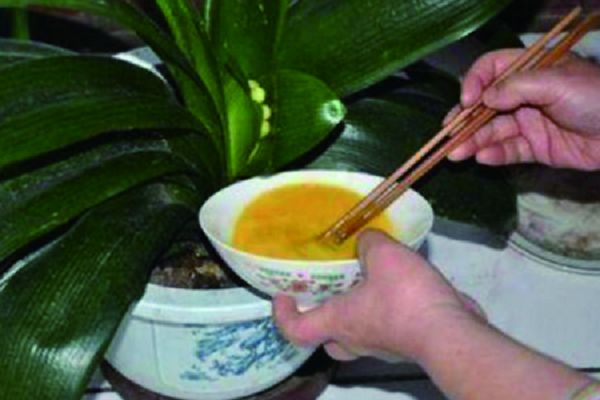
When fertilizing Clivia with eggs, first dilute the egg liquid with water, let it ferment for a period, and then use it. When applying, keep a distance of at least three centimeters from the roots. Alternatively, you can wash the egg liquid off the shells, dry them in the sun, crush them, and place them in the potting soil, also keeping them away from the roots. In addition, when fertilizing it, you should choose different fertilizers according to the changing seasons. Use nitrogen fertilizer in spring and autumn; when the summer temperature is below 25, use liquid fertilizer; in winter, stop fertilizing.
I. Application Methods
1. Egg liquid: Eggs contain many kinds of proteins that can promote the growth of Clivia, but when applying, pay attention to the method to avoid harming the plant. Before applying, beat the egg liquid and dilute it with water, then let it ferment for a period. When applying, it must not be too close to the roots; keep at least three centimeters away from the roots. In addition, note that this method cannot be used frequently, otherwise it will only have the opposite effect.
2. Eggshells: Besides the egg liquid, eggshells can also be used for fertilizing. Wash the egg white off thoroughly, then put them under the sun to dry; after drying, crush the eggshells and place them in the soil. They also must not come into close contact with the roots.
II. What Fertilizer Is Best
When fertilizing it, the specific fertilizer to use depends on the plant's growth in each season; different seasons call for different fertilizers. For example, in spring and autumn, growth is faster, so fertilize frequently, mainly with dilute nitrogen fertilizer; in autumn, pair it with an appropriate amount of phosphorus and potassium fertilizer. In summer, the climate is hot; when the temperature exceeds 25 degrees, stop fertilizing, and when it is below 25 degrees, an appropriate amount of liquid fertilizer can be applied. In winter, it goes dormant, and even timely fertilizing cannot be absorbed, so to avoid fertilizer damage, stop fertilizing.