Why doesn't the clivia bloom? Improper fertilizing and poor ventilation are the main reasons
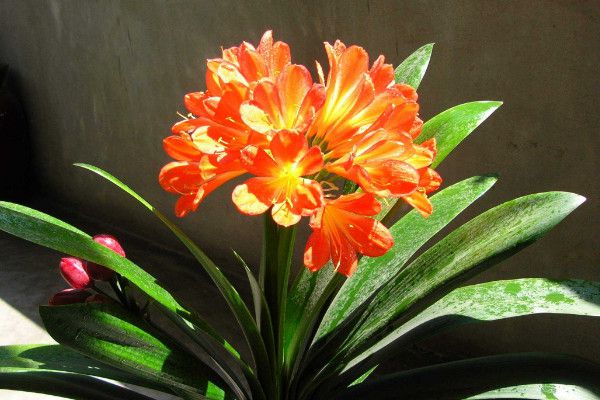
If the clivia is grown at home but refuses to bloom, it may be due to improper fertilizing, an overly wet environment, unsuitable light and temperature, poor ventilation, or other reasons. Once the root cause is identified, the right remedy can be applied in time, allowing the flower bud growth points to sprout normally and the plant to bloom beautifully during the flowering period.
1. Improper fertilizing
Before the flowering period, the clivia needs a certain amount of fertilizer to boost its nutrient supply. The nitrogen fertilizer usually applied during the growing period should be rapidly reduced in quantity before flowering, otherwise the plant will only grow leaves and not bloom. Before flower bud differentiation, phosphorus or potassium fertilizers should be the main choice, and some bone meal and the like can be added appropriately to help the flower buds emerge quickly.
2. Overly wet environment
The clivia needs moisture to nourish it when blooming, but if water accidentally accumulates in the pot soil and makes it overly wet, a series of problems such as damage to and rot of the roots and stems will occur. Especially during the flower bud growth period, the buds will fail to sprout because of the overly wet environment. Watering should normally be done in a reasonable and regulated way; if water accumulation is severe, the only option is to change the soil and the pot.
3. Unsuitable light and temperature
The suitable growing temperature for the clivia is between 15 and 25°C. Environments above 30°C or below 10°C will affect the growth of the clivia, and the flowers will be unable to open. In addition, if there is too little light, the whole plant will only grow leggy stems and leaves and will not bloom. If the light intensity is too high, it will scorch the stems and leaves, causing the flower buds to be sunburned and to drop off.
4. Poor ventilation
Poor ventilation may also be the reason why the clivia does not bloom. Even when light, temperature, water and fertilizer are all normal for growing the plant, the ventilation conditions must also be suitable. Especially under high-temperature conditions and in freezing weather, ventilation and air exchange should be ensured even more. Otherwise, the growing environment becomes a fire pit or an ice cellar, and even diseases, pests and pathogens may appear, making it impossible for the plant to bloom even if it wants to.