A detailed guide to growing Clivia, easy for beginners to learn
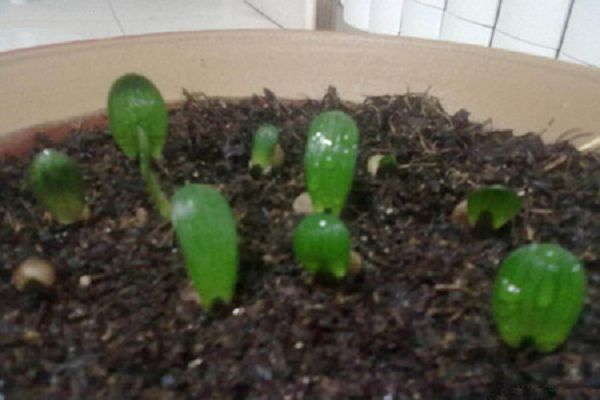
For the substrate, wood shavings are usually chosen, but fine sand, leaf mold, or rice husk mixed together can also be used. Disinfect it, take it out and soak it in water, put the substrate into a basket, and level it. Choose plump seeds and soak them in warm water at 20-30°C for one hour, take them out and place the sprouting end into the pot, cover with 2-3 cm of substrate, and press gently to level. Water to keep the substrate moist, then place the basket in a breathable, ventilated spot.
The substrate for breeding
For the substrate, wood shavings are usually chosen, but fine sand, leaf mold, or rice husk can also be used. A plastic basket or breathable tiles are also needed.
Taking wood shavings as an example, first disinfect them, then take them out and soak them in water. Put the wood shavings into the basket and level them.
Seeds
When selecting seeds, choose plump ones. Follow the steps below:
Put the seeds into warm water at 20-30°C and soak for one hour. Take them out and place them into the pot with the small eye facing down, spaced out in rows.
Cover the seeds with 2-3 cm of wood shavings and press gently to level.
After finishing, water them, then place the basket in a breathable, ventilated spot, and planting is complete.
Daily care
Breeding
For breeding, choose a spot that is ventilated, breathable, and humid. If breeding for the first time, check the seeds' development frequently. When checking, wash your hands often, or use a clean wooden stick to check.
Moisture retention
Normally, just keep the wood shavings moist; there is no need to water every day. If too wet, the seeds will rot; if too dry, the seeds will not sprout easily.
Heat retention
The most suitable growing temperature is between 15-30°C. In northern regions, keep it above 10°C and below 32°C. If the temperature is too low, you can use an incandescent lamp to keep it warm. In southern regions, move it to a sunny windowsill at noon to warm it appropriately.
Water quality
Do not water directly with tap water. The chlorine in tap water will affect seed germination, so tap water should be left to stand for a day before watering.
Sprouting
Usually, with careful care, they will sprout in about 15 days, and some even earlier. After sprouting, do not keep looking at them all day, so as not to damage the newly grown tender shoots.
After about 45 days, the sprouted seeds will grow longer and longer, the root system will grow downward, and small sheath leaves will gradually grow on both sides of the seeds. Just pay attention to watering more often.