Causes of Root Rot in Clivia and How to Fix It
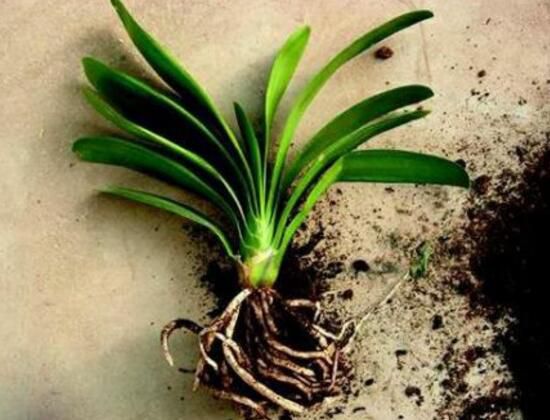
I. Causes of Root Rot in Clivia and How to Handle It
1. Overwatering
Although Clivia has relatively high water requirements, it does not need frequent watering during cultivation, because doing so only affects the plant's normal growth, and water will accumulate more and more in the pot, leading to root rot. If this is not dealt with in time, the entire plant will die.
Solution: To help the Clivia recover its vigor, place it in a ventilated spot and let the soil dry out. During this period, do not water the plant at all; wait until the moisture in the soil has completely evaporated before watering again. Only in this way can the Clivia return to normal more quickly.
2. Improper Fertilization
Clivia also needs a large amount of fertilizer during its growth, but over-fertilizing makes root rot very likely and can also damage the plant's root tissue, so growers must pay attention during cultivation and avoid over-fertilizing.
Solution: If the root rot is not severe, you can water the plant to dilute the fertilizer, but once severe root rot occurs, it is best to take the plant out of the soil, trim off the rotted roots, and then replant it. Only in this way can the Clivia return to normal as quickly as possible.
3. Poor Soil Quality
Clivia should be grown in soil with strong air permeability. If the soil used has insufficient air circulation, the oxygen concentration in the soil will also be very low, leading to root rot. It can be seen from this that if the soil quality is too poor, it is simply unsuitable for growing Clivia and will also affect the plant's normal growth.
Solution: Nutrient soil bought from the market often has poor air permeability, and the soil may be too raw or too mature. If the soil contains components that are not fully decomposed, long-term watering and fertilizing in the pot will generate heat and easily cause root rot, so choosing the flower soil before planting is very important. If the flower pot used for growing Clivia has poor air permeability, consider switching to a porcelain pot or a coarse ceramic pot.
4. Root Damage
When roots are injured, such as during repotting or division when roots are bumped, broken, or rotted, the rotted fleshy roots must be completely removed, then coated with charcoal or fine stove ash and dried, and then covered with soil and potted, to prevent the injured roots from directly contacting pathogens in the nutrient soil and rotting.
Solution: First trim off the damaged roots, then soak them in a 1/1000 potassium permanganate solution for 30 minutes to disinfect the rotted roots. After controlling water and drying in the sun for 1 day, they can be replanted. Then water and fertilize appropriately, and the plant will recover its vigor.