What are the key points to note when raising chickens in spring? These points are crucial
The market for chicken in our country is very large, and chickens are raised in all parts of our country. When we raise chickens, the farming management methods differ depending on the season. Especially in spring, because temperature changes are relatively large, there are many areas that require our attention. So what exactly are they? Below, the editor brings you the points to note when raising chickens in spring. Let's take a look!
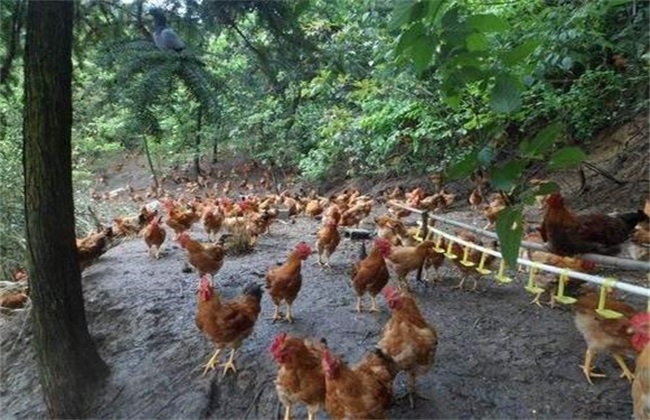
1. Reduce dampness
In spring, the ventilation in the chicken coop is still relatively low, so not much water evaporates. Moreover, the hot air produced inside the coop condenses into water droplets when it reaches the roof and walls, making the inside of the chicken coop prone to dampness. This is very favorable for the growth and reproduction of bacteria and various parasites, and therefore affects the growth of the chickens. So we must pay attention to doing a good job in management and keep the floor of the chicken coop dry. Damaged water troughs should be repaired in time. When adding water, remember not to fill them too full, and do not splash water inside the coop, to prevent excessive humidity.
2. Regular disinfection
Disinfection is naturally also an indispensable task in spring chicken raising. In spring, the temperature is still relatively low. Although bacterial activity is not very frequent, if the environment is suitable, they will also multiply in large numbers, harming the growth of the flock. Moreover, in spring the chickens' disease resistance is not very strong. If disinfection is not carried out in time, it can easily lead to outbreaks of epidemics and spread to the whole flock. Therefore, we should disinfect the drinking water appropriately by adding an appropriate amount of disinfectants such as Baidusha to the drinking water. Let the chickens drink it once a week. Then, for the floor of the chicken coop, dry powder disinfectants such as white lime can be sprayed for disinfection, about twice a week.
3. Supplement lighting
In early spring, the natural daylight period is still relatively short. If laying hens lack light during growth, it will have a great impact on their egg production. So we should also pay attention to doing a good job in artificial lighting supplementation. The daily lighting time should be maintained at about 14-17 hours. The specific adjustment should be made reasonably according to the natural daylight period. For example, if the natural daylight period is 11 hours a day, then the artificial lighting supplementation time should be maintained at about 3-6 hours. If lighting is supplemented all at once, then it should be fully supplemented in the morning and evening all at once. If lighting is supplemented in stages, then the time periods for supplementation should be allocated well, carried out separately in the morning and in the evening.
4. Reduce stress
Chickens are very timid and are easily startled by external factors. They are also very sensitive to changes in the surrounding environment. So when we feed and water the chickens in spring, collect eggs, disinfect, and do other work, we should pay attention to the timing and maintain a certain routine. When working, movements should be kept gentle and slow, and entry into the chicken coop by outsiders and other creatures should be strictly controlled. If relatively loud noises occur outside, the keepers should promptly enter the chicken coop to check on the chickens' condition. We can also add appropriate amounts of substances such as vitamins to the feed and drinking water to improve the chickens' ability to resist stress.
The above is a brief introduction to the points to note when raising chickens in spring. That's all for today's introduction. This article is for reference only, and we hope it can help everyone!