What are the reasons why chickens are prone to disease when raised in spring?
Spring, as a relatively comfortable season, is when many people start raising chickens. In fact, the environmental changes in spring are quite significant, especially the temperature, with a large difference between day and night. If management work for raising chickens is not done well, the impact on chicken growth is very great. Moreover, chickens raised in spring are also prone to disease. So what are the reasons why chickens are prone to disease when raised in spring? Let's take a look together below!
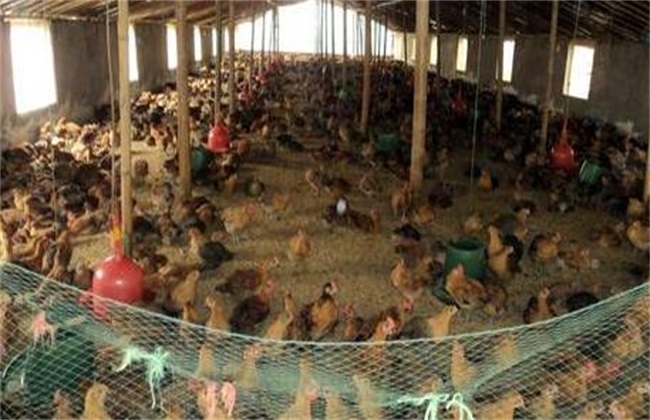
1. Climatic factors
Although the temperature in spring rises somewhat compared with winter, it is not stable, and the climate changes are still quite significant. In particular, the temperature difference between day and night is very large. Therefore, when raising chickens in spring, we still need to do a good job of cold prevention and warmth preservation. If the temperature inside the chicken coop fluctuates up and down, it can very easily cause chickens to develop various stress reactions and become ill. For example, cold stress and colds may occur. The immune capacity of the chickens' bodies will also decline as a result, making them prone to some complications, which seriously affects chicken growth.
2. Poor ventilation
As just mentioned, in spring the temperature is still relatively low for chicken growth. So many farmers, in order to do a good job of cold prevention and warmth preservation in the chicken coop, seal the coop tightly. As a result, they neglect ventilation work in the chicken coop, and some chicken farmers also increase stocking density to let the chickens keep each other warm. These measures will all cause the content of harmful gases such as ammonia and hydrogen sulfide in the chicken coop to exceed standards. This damages the respiratory mucosa of the chickens, and in severe cases causes the natural barrier to disappear, thus triggering respiratory diseases in chickens.
3. Sanitation reasons
When raising chickens, we must also pay special attention to the sanitary environment of the chicken coop. If the environmental sanitation of the chicken coop is poor, it is also very unfavorable to chicken growth. For example, not cleaning chicken manure in time, or not paying attention to the disinfection of the environment and feeding utensils, will all reduce the body resistance of the chickens. When the resistance of the chickens declines, the pathogenic microorganisms hidden in the environment have an opportunity to take advantage, thus causing the chickens to become ill. In addition, chicken manure also produces a large number of pathogens, which further increases the probability of chickens becoming ill.
4. Nutritional factors
The growth of chickens has a very large demand for nutrition. When feeding feed, we should pay attention to maintaining comprehensive and sufficient nutrition. If the vitamin content in the feed is too low, especially vitamin A, or if the chickens have absorption disorders, then the injured respiratory mucosa of the chickens cannot be repaired promptly and effectively, thus creating conditions for the invasion of pathogens. Among these, the lack of trace elements such as zinc and selenium is the main cause of absorption disorders in chickens, and it also affects the development of the chickens' immune system, so everyone should pay much attention to this. In addition, attention should also be paid to reducing the stress reactions of chickens, as stress easily causes chickens to be infected with pathogens such as influenza and E. coli.
The above is a brief introduction to the reasons why chickens are prone to disease when raised in spring. That is all for today's introduction. This article is for reference only. Thank you all for reading and supporting.