Why isn't the gardenia blooming? Causes and solutions
The gardenia (Gardenia jasminoides) is a very familiar flowering plant for many people. Gardenias were once grown mainly in the form of large trees, but now, because of their high ornamental value, they have gradually come to be kept as potted plants. However, many people find that when they grow gardenias in pots, the plants fail to bloom when the flowering season arrives. So why isn't the gardenia blooming? Let's take a look together below!
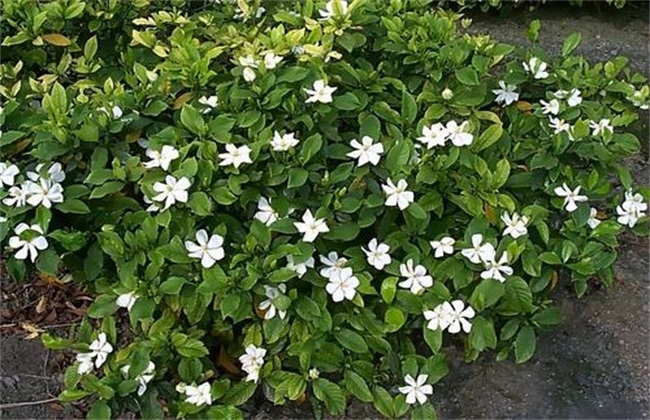
1. Unsuitable light
Unsuitable light is one of the main reasons gardenias fail to bloom. Although the gardenia needs a certain amount of light in order to bloom during its flowering season, in everyday conditions it needs a semi-shaded environment and must not be exposed to direct sunlight. This is especially true in summer, when the light is too intense; direct exposure can easily scorch the leaves and affect flowering. Therefore we should provide it with appropriate light, shading it in time in summer and supplementing light appropriately in winter. This ensures the gardenia's nutrient synthesis and provides sufficient nutrients for flowering.
2. Unsuitable temperature
Temperature is also very important for the growth of the gardenia, and unsuitable temperatures can easily cause it to fail to bloom. The gardenia has rather poor cold tolerance; if the temperature drops below 5°C, the gardenia will gradually enter a dormant period and naturally cannot bloom. So in seasons with lower temperatures, such as autumn and winter, we should pay attention to keeping it warm and prevent low temperatures from causing cold damage to the gardenia. At the same time, in spring the temperature must not be higher than 12°C, otherwise it will cause the gardenia to sprout prematurely, consuming too many nutrients, which is likewise unfavorable for flowering. Therefore be careful to maintain a suitable temperature.
3. Soil reasons
Soil is the most basic and also the most important factor in ensuring the gardenia grows vigorously and blooms normally. If the soil is sticky and heavy, has poor permeability, drains and irrigates poorly, and is on the alkaline side, then it is very unfavorable for the gardenia's growth. It reduces the gardenia's flowering amount, and in severe cases it may not bloom at all. So when growing gardenias, pay attention to the quality of the soil and maintain a loose, nutrient-rich soil with a slightly acidic pH, so that the gardenia can grow normally. In addition, every year we also need to pay attention to repotting and changing the soil, creating a good growing environment for the gardenia.
4. Improper fertilizing
When the gardenia blooms, it needs to consume a large amount of nutrients. So we should pay attention to fertilizing properly to ensure the gardenia has sufficient nutrients for flowering. When fertilizing, the nutrients must be comprehensive and sufficient; if there is too much nitrogen fertilizer and too little phosphorus and potassium fertilizer, then it will affect the gardenia's flowering, and its buds will also easily drop. So when fertilizing, pay attention to reasonably adding nutrients according to soil fertility and the plant's growth condition, ensuring a balance of nutrient elements so the gardenia can bloom normally.
The above is a brief introduction to why the gardenia isn't blooming. That's all for today's introduction; this article is for reference only, and we hope it can help you!