Causes of hoof deformation in dairy cows and prevention and treatment methods
Hoof disease in dairy cows is a common disease in the dairy production process. In mild cases it causes lameness, and in severe cases it leads to paralysis. If not taken seriously, it will affect production costs and reduce economic benefits. So how should dairy cow hoof disease be prevented and treated? Come and learn about it with the editor.
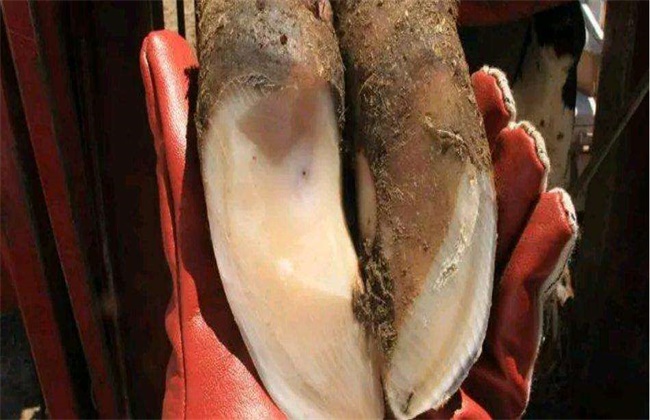
1. Causes
The main cause of hoof disease in dairy cows is an unbalanced ration, with insufficient supply or an improper ratio of calcium and phosphorus in the feed, which leads to a disorder of calcium and phosphorus metabolism in the cow's body, a severe imbalance in the calcium-to-phosphorus ratio, and causes the hooves to become smaller. Hoof deformation disease has a certain relationship with the milk production of dairy cows. Generally, cows with high production have a relatively high incidence rate, mainly because farmers pursue yield too much, add excessive concentrate feed to the feed, and provide too little roughage of poor quality. This causes the cow's body to be in a state of acidosis for a long time, and because the laminae become inflamed, the hooves become deformed. In addition, if the cow shed is dark and humid and manure is not cleaned up in time, it will also cause the hoof horn to soften and become deformed.
2. Symptoms
Generally, there are three main types of hoof deformation. The first is long hoof, which means the two lateral digits of the hoof exceed the length of the normal digits, the hoof horn extends excessively forward, and the appearance is long. The second is wide body, which means both the length and width of the two sides of the hoof exceed normal levels, and the appearance is large and wide, so it is called large limb plate. The last type is rolled hoof, which means the inner and outer soles of the hoof curl upward. Seen from the bottom of the hoof, the outer edge is excessively worn, and the rolled part of the hoof back has become the sole. Affected cows often arch their backs, have difficulty walking, and show a dragging gait.
3. Prevention and treatment
Drug treatment cannot restore deformed hooves to normal, so hoof trimming therapy is often used clinically, and corresponding methods are adopted to trim the hooves according to the degree of hoof deformation. Therefore, the key to preventing and treating this disease lies in carrying out preventive measures well. In production, attention should be paid to strengthening the feeding and management of dairy cows and giving full attention to the supply of protein and minerals. The ration should be reasonably formulated according to the lactation status of the dairy cows, especially adjusted and supplemented according to their milk production. Once the hooves begin to deform, vitamin D3 can be injected, and calcium powder can be supplemented in the ration to strengthen the hooves and prevent further deterioration. To prevent the hooves from being soaked by manure and urine, the hooves should always be kept clean and hygienic, and the exercise yard should be cleaned in time and kept dry.
The above is an introduction to the causes of hoof deformation in dairy cows and prevention and treatment methods. We hope it can help you. If you want to learn more related knowledge, please follow us.