How to improve the survival rate of young rabbits? A detailed guide to practical breeding methods
The mortality rate of rabbits is basically highest at the young rabbit stage. Those with good breeding skills have fewer deaths, while those with poor skills have more deaths, and in many cases people may not even know the cause of death. So if you want to ensure a high survival rate for your young rabbits, what should you do? Let's take a look below at how to improve the survival rate of young rabbits!
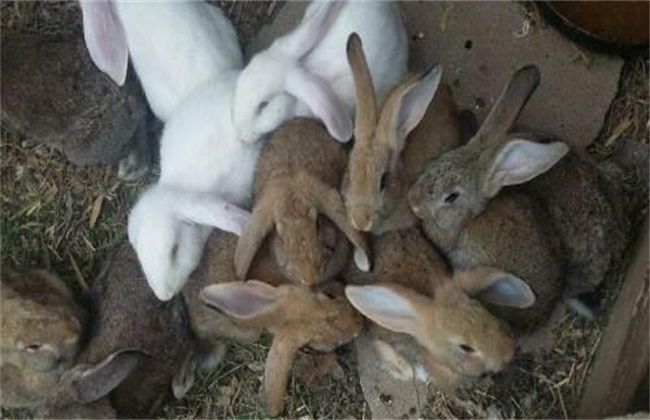
1. Adjust the environment
The first thing to do is adjust the rabbit hutch environment. This is a relatively long stage, lasting about one month. During this stage, you can no longer manage everything entirely according to the living habits of the doe. The main environmental adjustments include lighting and temperature. At this time, the doe's demand for light is not high, and young rabbits do not need much light either, so the lighting time in the rabbit hutch should be appropriately reduced to about 7-8 hours per day, and then gradually increased. Next is temperature control. Both does and young rabbits prefer relatively high temperatures, so at this stage the temperature should generally be kept at around 30°C. Other environmental factors should also be adjusted gradually; just maintain whatever keeps the young rabbits most active.
2. Modify the rabbit hutch
After the environment has been adjusted, you should begin making appropriate changes to the rabbit hutch. Young rabbits have little fur, and does give birth to quite a few young rabbits, so first expand the doe's nest to prevent the young rabbits from directly touching the ground while nursing. After expanding the nest, you also need to add hay as bedding in places where the young rabbits are more active, because the young rabbits will gradually move around the rabbit hutch. It is best not to place anything inside the rabbit cage; an open space is enough for the young rabbits to move around. This can prevent young rabbits from falling when they accidentally climb onto these objects.
3. Pay attention to feeding
Death of young rabbits caused by feeding is also a relatively common problem. At this stage, young rabbits are very particular about what they eat, especially regarding nutritional balance. When they are not fed well, the signs in young rabbits are not obvious, and problems usually become apparent only after they have already occurred. However, when feeding, you must pay attention to the amount. Some young rabbits may overeat while feeding, which can then cause death. In addition to nursing, the food fed to young rabbits is best presented in a milky paste form. This makes it easier to adjust the nutrients, and young rabbits are less likely to overeat.
4. Wean with care
The weaning stage is the most easily overlooked. Newly weaned rabbits are very prone to death due to changes in diet, and this probability is also relatively high. Weaning cannot be done all at once; it should be gradually reduced so that the young rabbits slowly adapt. After weaning, do not rush to adjust the food being fed. Apart from increasing the amount, wait until after the last week before slowly changing the feed. If the young rabbits show relatively intense reactions during weaning, that means the process was too fast, and it is best to slow it down appropriately.
Once these things are done well, the survival of young rabbits should improve to a certain extent. The death of young rabbits is sometimes unavoidable. You mainly need to ensure that most of the young rabbits are normal, and should not dwell too much on the death of a single young rabbit.