A Detailed Explanation of the Four Key Points of Chick Hatching Technology
In chicken farming, chick hatching is the first step, and an extremely critical one. Modern chicken farming uses incubators for large-scale hatching, which greatly improves work efficiency. There are four points to note when hatching chicks. Let's take a look together below.
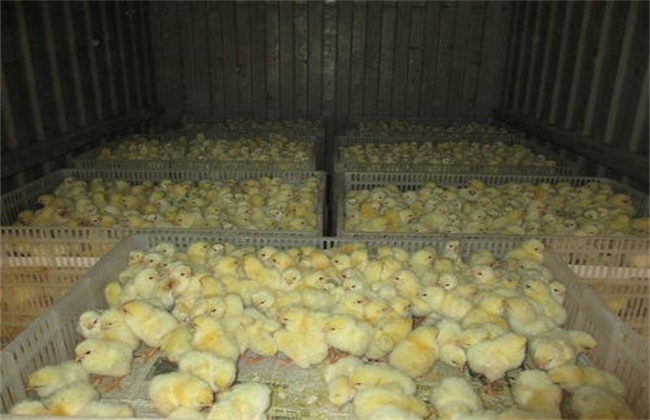
1. Pre-warming the Hatching Eggs
Hatching eggs should be chosen with a single weight of over 40 grams to ensure the quality of the chicks. Before the eggs are moved into the hatching room to prepare for incubation, the hatching eggs in the air-conditioned egg storage should first be moved to a room at 22°C to 25°C to pre-warm for 6 to 8 hours. This not only removes moisture from the egg surface very well, but also prevents the hatching eggs from being damaged by the huge temperature difference, which would lower the hatch rate. Once the temperature of the egg surface is close to the suitable temperature, the eggs can be placed on trays and put into the incubator.
2. Controlling Temperature
Temperature is the primary condition for chicken embryo development. During incubation, the temperature must be kept stable to prevent it from fluctuating up and down, but the temperature is not unchanging either. Generally, the incubation period for chicks is about 21 days. For days 1-6, the incubation temperature should be controlled at 38.5°C; for days 7-14, 38°C; for days 15-18, 37.8°C; and for the last few days, 37.4°C.
3. Controlling Humidity
Good humidity control during the early stage of incubation can allow the embryo to be heated evenly, which helps the embryo dissipate heat and peck out of the shell in the middle and later stages. Just like temperature control, humidity is not unchanging either. Generally, for the first 1-7 days, the humidity is about 60%-70%; for days 8-16, about 55%-55%; and for the last week, 65%-70%.
4. Ventilation and Air Exchange
The embryo must exchange gases with the outside world during development, especially in the later stage of incubation, when the embryo begins to breathe through its lungs. At this time, the demand for oxygen is extremely high, and the amount of carbon dioxide expelled also increases. If ventilation is poor at this time, a carbon dioxide concentration that is too high will cause the embryo to suffocate, so ventilation and air exchange should be carried out in time to keep the air fresh.
The above is an introduction to the four key points of chick hatching. We hope it can help you. If you want to learn more related knowledge, please stay tuned to us.