What are the three main elements of fertilizer?
When we grow grain, vegetables, fruits and other crops, no matter what kind of crop it is, fertilizer is indispensable. Fertilizer can provide sufficient nutrients for crop growth and is the key to ensuring normal growth. When using fertilizer, we need to understand the three main elements of fertilizer. So what exactly do the three main elements of fertilizer refer to? Today, the editor will give you a brief introduction. Let's take a look below!
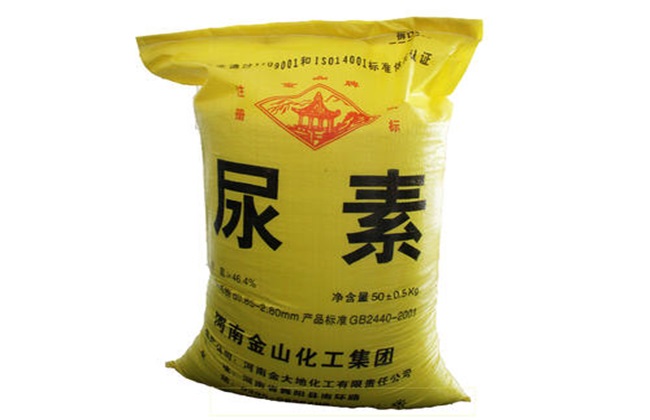
1. Nitrogen
The first element contained in fertilizer is nitrogen, which is very important for crop growth. Nitrogen is the main component for synthesizing proteins and chlorophyll in crops. Ensuring sufficient nitrogen can make crops flourish with lush branches and leaves, enhance their photosynthesis, and increase the accumulation of organic matter. It speeds up tillering and greatly helps increase yield. If nitrogen is deficient, crops will grow short and weak, grow slowly, and have low yields. However, nitrogen should not be excessive either, otherwise it will cause crops to grow excessively, leading to undesirable phenomena such as delayed maturity with excessive vegetative growth and lodging. It will also reduce the crops' drought tolerance and low-temperature tolerance.
2. Phosphorus
Phosphorus is the second element in fertilizer. Generally, the phosphorus content in crop seeds is relatively high. Phosphorus is mainly the main component of the crop cell nucleus. In crop growth, phosphorus promotes seed germination and rooting as well as fruit setting and ripening. If crops lack phosphorus during growth, the stems and leaves will turn purple and brown, flowering will be delayed, and fruits will be small, among various other phenomena. Therefore, everyone must pay attention to supplementing phosphorus to ensure normal crop growth.
3. Potassium
The last element is potassium. Unlike the above two elements, potassium mainly acts on the photosynthesis of crops. Potassium can enhance the photosynthetic capacity of crops and ensure that crop metabolism can proceed normally. It also has the ability to enhance crop cold resistance, can promote sturdy stems, and improve the crops' lodging resistance and resistance to pests and diseases. If potassium is deficient, the plant will grow thin and small, and branching will decrease. The leaves will also gradually dry up and fall off starting from the old leaves, and the yield will drop severely.
4. Precautions
Nitrogen, phosphorus, and potassium are the most basic and most important elements for crop growth. However, because the soil in most areas of our country does not have very high levels of these three elements, attention should be paid to timely fertilization and supplementation through fertilizer. Moreover, the three elements nitrogen, phosphorus, and potassium cannot replace each other, so when fertilizing, attention should be paid to applying them in combination. Rational fertilization can also play various roles such as improving the soil's water and fertilizer retention, regulating soil pH, and benefiting microbial activity in the soil.
The above is a brief introduction to what the three main elements of fertilizer refer to. That's all for today's introduction. This article is for reference only, and I hope it can help everyone!