Which pigeons are prone to straying into other lofts? What beginners need to know about keeping pigeons
Pigeons straying into other lofts is a phenomenon that often occurs when we keep pigeons. Pigeon straying means that a pigeon gets lost while away from home and flies directly into someone else's loft. For pigeon keepers, this phenomenon causes serious losses in economic returns. So when keeping pigeons, which ones are most prone to straying into other lofts? Below, the editor will briefly introduce this to everyone. Let's take a look together!
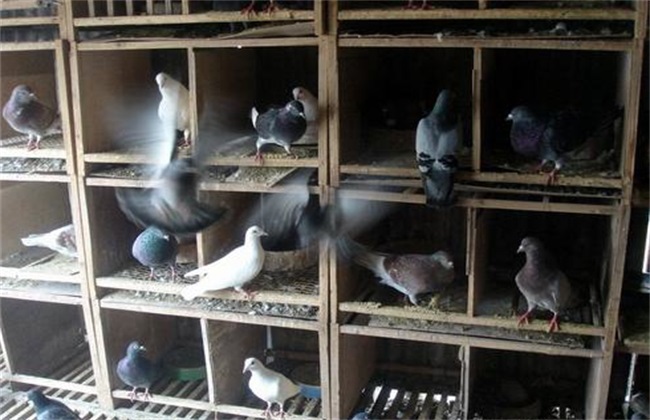
1. Young pigeons that have just learned to fly
When young pigeons are one month old and have just learned to fly, they are most likely to get lost. This is especially true for the young pigeons that are the first to fly up into the sky, because both their physical strength and intelligence develop faster. If they are allowed to fly with the large flock, then after flying to a relatively distant place, they are very likely to be unable to fly back. Therefore, we should pay attention to the time when young pigeons are first released to familiarize themselves with home. First, let the young pigeons fully familiarize themselves with the environment around the loft before they are able to fly. Once they can fly up onto the loft roof by themselves, they have already become familiar with the surrounding environment, and in this way the phenomenon of straying can be effectively reduced.
2. Young pigeons that have been flying for some time
Next are young pigeons that have already been flying for some time. For young pigeons that have been flying for some time, if they stray into another loft, then it is not because they got lost. There are three reasons for this. The first may be genetic factors. Because of genetic influence, they themselves have the trait of liking to enter other people's lofts. Then it may be because they are good at flying; if their flying ability is strong, then they are also very likely to get lost. Finally, there are young pigeons with excessively weak constitutions or suffering from disease. The proportion of straying caused by this reason is relatively large, so everyone must pay close attention.
3. Sexually mature female pigeons
Each year after young pigeons are born in spring and by the autumn of that year, their gonads mature, and their feathers gradually molt and renew over time. At this time, the pigeons' physical strength is very vigorous, and moreover, if they are affected by some restless actions, then for some female pigeons that do not yet have a mate, this can also very easily lead to them getting lost. At the same time, spring is also a high-incidence period for straying among female pigeons that have already come into heat but have not been paired. Therefore, we must strengthen observation, keep them enclosed appropriately, and ensure that they can be paired in time.
4. Breeding pigeons
Although breeding pigeons generally do not stray into other lofts, during the squab-feeding period, breeding pigeons have a very large demand for nutrition. If their food needs are not met, then the breeding pigeons may go out to look for food on their own, and this situation is especially common in free-range keeping. Then, before laying eggs, if the female pigeon has no nest or is forced to take flight, she may also enter someone else's loft. Finally, it may be due to the loss of a mate. Therefore, everyone must strengthen management: do not force them to take flight before laying eggs, and maintain sufficient nest positions, etc.
The above is a brief introduction to which pigeons are prone to straying into other lofts. That is all for today's introduction. This article is for reference only. Thank you all for reading and supporting.