Causes of and Solutions for Anthurium Leaves Turning Scorched
Anthurium is a flowering plant that many people are very familiar with, and as a potted plant in China it is welcomed by many. At present, the scale of anthurium cultivation is still quite large, but when growing anthurium, the phenomenon of anthurium leaves turning scorched often occurs, seriously reducing the ornamental value of the anthurium. So what causes anthurium leaves to turn scorched? Below, the editor will give everyone a brief introduction, let's take a look together!
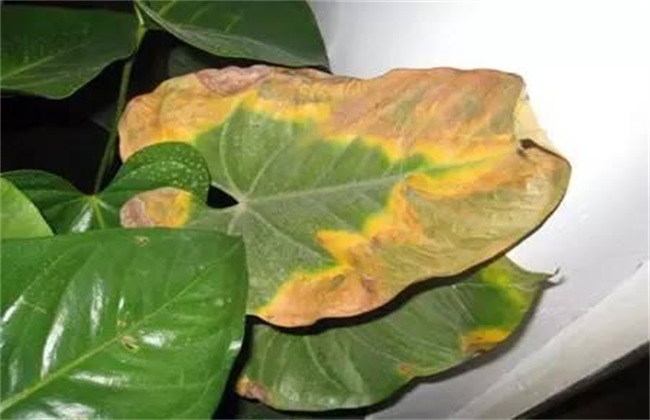
1. Infection by disease
Disease is one of the main causes of anthurium leaves turning scorched. During the growth process of anthurium, if it is infected with leaf blight, it is extremely easy for the leaves to turn scorched. This is because leaf blight mainly harms the leaves, and spots will appear on the leaves, with the spot color mainly brown, similar to scorching. If it is not dealt with in time, then in a short period it will cover a large number of leaves, causing the plant to die. Therefore everyone must do a good job of prevention, strengthen ventilation, remove diseased leaves in time, and spray the corresponding chemicals for control.
2. Sunburn from light
Although anthurium has a certain demand for light during growth, the anthurium cannot be directly exposed to strong light. This is because the leaves of anthurium have very poor tolerance to strong light, and if they are exposed to strong light for a long time, it is extremely easy for the leaves to be sunburned, thus causing the phenomenon of leaves turning scorched. Therefore when we care for them, we must pay attention to controlling the light well, and must not let the plant be exposed to strong light. Especially in summer, if conditions permit, a shade net should be set up. It can both provide an appropriate amount of light for it and prevent the light from being too strong and scorching the leaves. If it is scorched, it should be moved to a cool place in time for care.
3. Dry air
Dry air is very unfavorable for the growth of anthurium, and it will also cause anthurium leaves to turn scorched. This is because anthurium likes to grow in a relatively humid environment. If it is grown indoors as a potted plant, then an environment with air circulation must be maintained. If it is stuffy and dry, then the respiration of the leaves will be hindered, there will be little water, and thus the phenomenon of leaves turning scorched will occur. So when it is warm, pay attention to opening windows more for ventilation, appropriately spray water around the plant, increase air humidity, and ensure the normal growth of the anthurium.
4. Fertilizer too concentrated
When we grow anthurium, reasonable fertilization work can ensure the robust growth of the anthurium, and can also be of great help to the ornamental value of the anthurium. But when we fertilize, we must pay attention to controlling the concentration and amount of fertilizer well. The fertilizer must not be too concentrated, because if the fertilizer is too concentrated, it is extremely easy to cause fertilizer damage, thus causing the phenomenon of root burn. And when fertilizing, the leaves must not come into contact with the fertilizer, otherwise the phenomenon of leaf burn, drying up and scorching will occur. So if too much fertilizer is applied, water in time to dilute it, and if necessary, change the pot and clean it in time.
The above is a brief introduction to what causes anthurium leaves to turn scorched. That is all for today's introduction. This article is for reference only, and I hope it can help everyone!