Using aspirin for orchids: spray the leaves or water the roots? Watering the roots is better for root growth
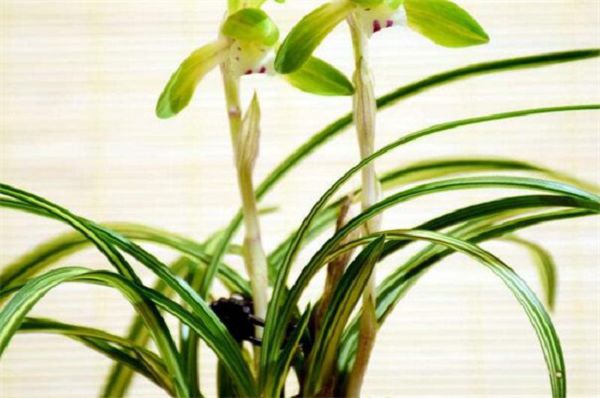
Using aspirin to grow orchids is quite beneficial to the plant's growth. Generally, watering the roots is the main method; watering the leaves can easily cause the leaves to rot. When watering the roots, use a fully diluted solution, and do not use it as a long-term fertilizer. During the growth period, also appropriately supplement fertilizers with other elements to avoid poor plant growth.
Using aspirin for orchids by watering the roots
Many people like to use aspirin to grow orchids, mainly because it can promote the growth and development of orchids. However, some friends do not know whether to spray the leaves or water the roots when using aspirin for orchids. In fact, watering the roots is the main method. Since orchid leaves are relatively sensitive to fertilizer, watering the leaves can easily cause the leaves to be contaminated and turn yellow and withered.
When using aspirin to water the roots, it is best to use a thin diluted solution. The concentration poured in must not be too high, mainly because it can easily cause root burn. It can be applied once every half month. At the same time, aspirin cannot be used as the main fertilizer for a long time. In ordinary fertilization, trace element fertilizers should also be appropriately supplemented. Only in this way can the orchid be guaranteed to grow robustly.
When using aspirin to water orchids, the tablet can be crushed into powder, the finer the better. Place it in a container filled with clean water, and leave it in a cool place with good ventilation for a few days. Dilute the clear liquid on top with water, mix and prepare it at a ratio of 1:800, and then pour it along the edge of the potting soil.
When aspirin dissolves in water, it decomposes into a large amount of nutrients, which greatly promotes the growth of orchids. At the same time, it can also enhance the resistance of orchids and greatly reduce damage from pests and diseases. In addition, when growing in water, a small amount can also be appropriately added, but not too much, mainly because it can benefit the plant's rooting.