What are the main effects of phosphate fertilizer on plants?
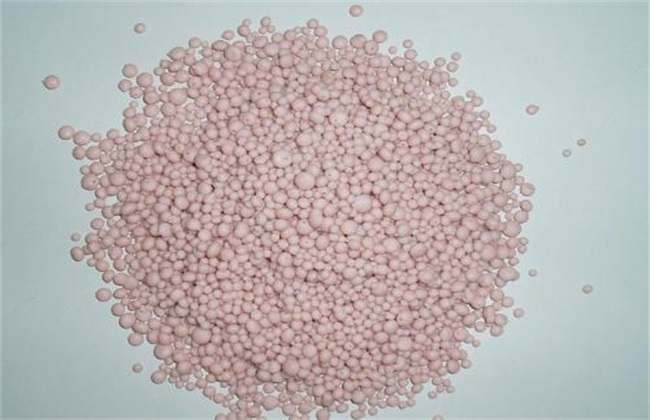
When growing crops, if you want to ensure their yield and quality, then fertilizing is very important. There are many kinds of fertilizers now, and different fertilizers have different effects on plants. Among them, a common fertilizer is phosphate fertilizer, so when planting, what effect does applying phosphate fertilizer have on plants? Today the editor will briefly introduce it to you, let's take a look below!
1. Promote plant growth
For most plants, the element phosphorus is a main component of many compounds. The most important of these is that it forms nucleoproteins, and nucleoproteins are the main components of the cell nucleus and organelles. Therefore, if a plant lacks phosphorus, then the formation of new plant cells will be very unfavorable, which will lead to poor root development and hinder plant growth, making plants very prone to stunted seedling phenomenon. Phosphorus is also divided into phospholipids, phytin and adenosine triphosphate, etc. These three substances are all very important to plant growth and provide a great deal of energy for the plant's biochemical processes.
2. Strengthen metabolism
The element phosphorus has very many effects on plants. First of all, it is directly related to plant metabolism. The element phosphorus can promote the formation of carbohydrates in crops, and can also play a transport role. Moreover, the element phosphorus can also synthesize and decompose proteins, which is of great significance to them. If a plant lacks phosphorus, then proteins will only be decomposed and cannot be synthesized. In addition, the element phosphorus can also promote fat synthesis. Therefore, rational application of phosphate fertilizer can increase the content of protein, sugar and oil in plants.
3. Improve plant adaptability
The element phosphorus can also improve plants' adaptability to the external environment. First of all, phosphate fertilizer is very beneficial to plants' cold resistance and drought resistance, because the element phosphorus can not only enhance the dehydration resistance of cells, but also strengthen adaptability to high temperatures. It can also greatly help root growth and development. It can also regulate various indispensable metabolic processes in plants. Then the element phosphorus can also enhance plants' adaptability to changes in pH, that is, their buffering capacity. Finally, the element phosphorus is also very beneficial to plants' disease resistance and lodging resistance.
The above is a brief introduction to the effects of phosphate fertilizer on plants. The element phosphorus has very many effects on plants, but we still need to pay much attention when applying phosphate fertilizer. We should pay attention to both the application time and control the amount of fertilizer applied. If too much fertilizer is applied, then plants are very prone to fertilizer damage, which instead produces adverse effects. That is all for today's introduction. This article is for reference only, and I hope it can help everyone!