What causes yellowing and drying of the leaf tips of the clivia (Clivia miniata)
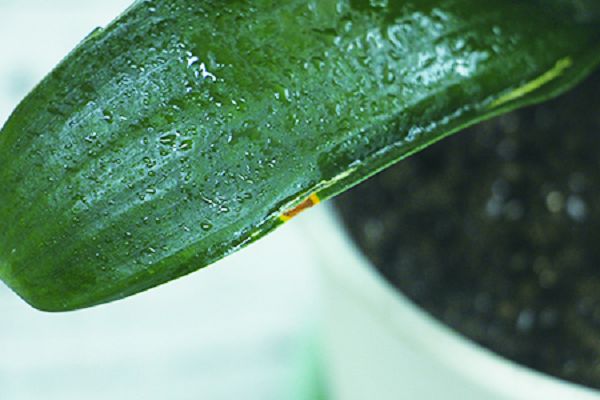
Yellowing and drying of clivia leaf tips may be caused by improper watering, watering that does not suit the season. If the concentration is too high or the amount of fertilizer is too much, the plant roots cannot bear it, and the leaves will also be affected. Strong sunlight can also scorch the leaves, causing the leaf tips to turn yellow and dry. During care, muggy weather and a long period without ventilation can trigger anthracnose, which is also one of the causes.
1. Improper watering
Spring and autumn are the growing seasons, and during this time the soil should be kept moist so the plant can grow normally. If it is not watered for a long time, the potting soil becomes too dry, and the leaf tips of the plant will turn yellow and dry out due to lack of water. In winter the demand for water is not great, and during this period watering must not be excessive, otherwise the plant roots will be affected and yellowing and drying will also occur. You can control the water well and water according to the plant's needs.
2. Too much fertilizer
Its growth requires fertilizer application. If the concentration is too high or the amount of fertilizer is too much, the plant roots cannot bear it, and the leaves will be affected. You can water to dilute it, and then pay attention to the amount of fertilizer in subsequent care.
3. Too strong light
The growth of clivia requires sunlight, but if the sunlight is too strong, it will scorch the leaves and cause the leaf tips to turn yellow and dry. So sunlight should be given normally, and when the temperature is above 30°C, half shade should be provided to avoid exposure to strong light.
4. Infection by disease
During care, muggy weather and a long period without ventilation may trigger anthracnose, whose main symptom is yellowing and some drying at the tips of the leaves. In this case, ventilation should be strengthened and carbendazim and similar treatments should be sprayed.