How to propagate clivia seedlings? A few practical methods to teach you
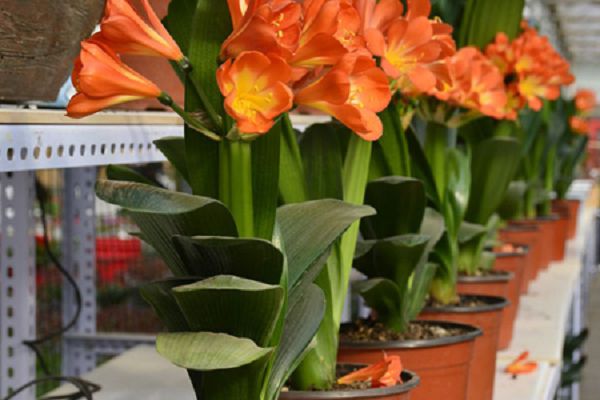
When propagating clivia seedlings, it is generally done through division or by planting seeds. After clivia has grown for two years, several small clivia will grow near the roots. When the leaves grow to about 15 cm, they can be divided. Cut them off together with the roots and propagate them into seedlings. The sowing method is more commonly used: soak the seeds in warm water for half an hour, take them out to dry, and then sow them into the growing soil.
1. Sowing method
This method is generally used for mass propagation. In the early stage, germination must be accelerated. Soak the seeds in water at about 35 degrees for 20-30 minutes, then take them out to dry, generally for two hours. If conditions allow, using sodium phosphate solution is even better.
Choose a soft, breathable growing soil with relatively good drainage. You can dig humus soil from near woods and add one third fine sand and mix it. Evenly scatter the treated seeds in the growing soil. Do not water at first. Place them in an environment of about 24 degrees for care. Generally, seedlings will grow in two weeks.
2. Division method
This method is generally used for home care, when the quantity is not very large, and it is simple to operate. A clivia that has grown for two years will produce small seedlings near the roots, and at this time they can be divided. Take the plant out of the pot, remove the soil, and find the separation point between the small seedling and the mother plant. Hold the pseudobulb with one hand and grab the root of the small plant with the other hand, then tear it apart. If it cannot be pulled apart, do not use force. Cut it off with a sterilized small knife. Do not forcibly break the plant. After breaking it off, apply dry charcoal powder to the wound to prevent rot. Plant the separated young plant in soil, with the depth based on the soil being able to cover the pseudobulb.