What are the common diseases of chicks? A comprehensive guide
When raising chicks, disease is the main target for prevention. Poultry are raised at relatively high density, so many diseases appear easily, and chicks are especially prone to this. So what are the common diseases when raising chicks? Let's take a look below so you can learn how to prevent them and be better prepared!
1. Pullorum disease
Pullorum disease is an infectious disease and one of the more highly contagious ones. It is generally caused by Salmonella pullorum. Ordinary prevention relies on disinfection and sterilization. For medication, you can consider a 0.01% potassium permanganate solution or a 0.01% furazolidone solution. The symptoms are fairly obvious when it strikes: the birds are unwilling to move, their droppings have a severe odor, and they also have difficulty breathing. The most obvious sign is some grayish-white mucus around the vent, and especially during excretion this mucus sticks to it.
2. Coccidiosis
This one is caused by parasites. It is usually due to poor sanitation, which allows coccidia larvae to multiply in the chicken coop and eventually attach to the chicks. Coccidia themselves reproduce very quickly, especially when there is a lot of chicken manure outside, giving coccidia eggs plenty of room to grow, and their egg-laying and spread are extremely alarming. When the disease strikes, the feathers are messy, the birds stand still and motionless, their mental state is poor, and the droppings are diarrheal, sometimes accompanied by bleeding and white matter passed together. Sulfonamides are generally chosen for treatment, with fairly obvious results.
3. Dry vent
This is generally caused by inadequate care right after chicks hatch. For example, insufficient drinking water or poor yolk absorption can both trigger this disease. Its symptoms mainly appear at the vent. When it strikes, the chick's vent becomes dry and the chick does not excrete; over time, abnormal calls also appear. When this disease occurs, generally first relieve the dryness of the vent; you can consider washing it with a potassium permanganate solution, then appropriately feed a little rapeseed oil or similar to soothe the digestive tract, and finally give water to dilute the digestive tract.
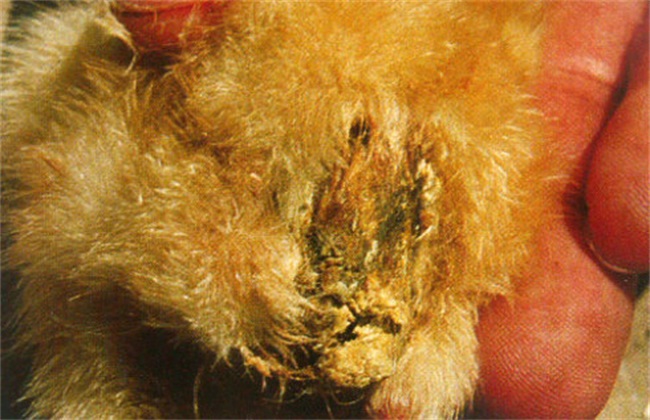
4. Fowl pox
I believe many people are familiar with this disease. It used to be a high-risk chicken disease, and now that there are corresponding vaccines its harm is much lower, but the probability of it occurring is still quite high. Once the virus invades the chicks, pox sores appear in many places on their bodies. Sores may grow on the eyes, esophagus, corners of the mouth and other places, threatening the chicks' normal life. The location of the sores determines how serious the harm is. It is best to inject the preventive vaccine early to avoid infection. After the disease occurs, use the targeted medication to remove the sores, then apply the medication to the scabbed areas of the pox sores.
The above are some of the common diseases of chicks. Conditions vary from place to place, so the situations and types of diseases that affect chicks also differ. When chicks develop a disease, you must first understand what disease it is, and when treating it you should also consider how to prevent it.