What are the environmental requirements for soft-shelled turtle farming?
The soft-shelled turtle is itself a fairly resilient creature, and people generally assume it has a long lifespan, so many farmers fall into the misconception that soft-shelled turtles can be raised any which way, and that the only real worry is whether they will sell well. Only those who have actually raised them know the truth: soft-shelled turtles are truly picky about their environment, and in a slightly inferior spot, all kinds of problems crop up. Below, let us look at some of the soft-shelled turtle's environmental needs, so you do not make the whole thing out to be too simple when you want to start farming them.
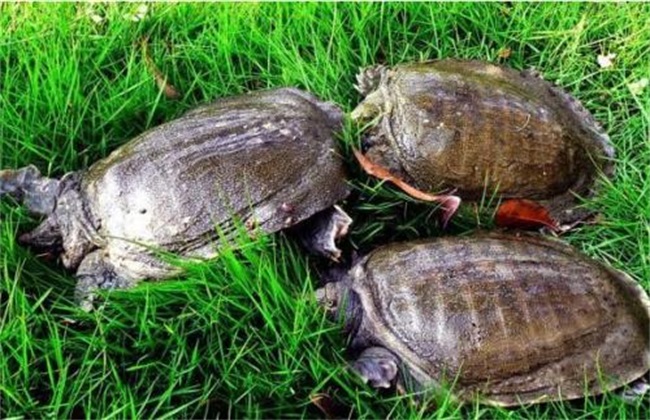
1. Water source quality
Soft-shelled turtles love water and spend most of their time in it, and the quality of the water source runs through the entire farming process, so the demands on water quality are naturally fairly high. The water in some places nowadays is actually not especially clean and will inevitably have some pollution, and such water does have an impact on soft-shelled turtle farming, though within what people can tolerate. The water quality must be good, with high dissolved oxygen, and after it enters the breeding pond it must be kept circulating, replacing stagnant water, and it must at least meet the national freshwater aquaculture water quality standards; only then does the water source count as acceptable.
2. Clean and noise-free
The hygiene and quiet of the farming site also matter greatly. Soft-shelled turtles have three fears: "cold, heat, and loud noise," and this fully highlights the harm noise does to them. Normally farmed soft-shelled turtles are very timid, and a brief burst of noise will keep them panicked for a long time, affecting farming results; if the noise is fairly frequent, then the farming returns will basically be very poor. As for hygiene, this is because soft-shelled turtles have relatively weak resistance to certain diseases, and the water they live in can easily deteriorate, and in such an environment it is already good if they can just stay alive.
3. Abundant site resources
If farming relies solely on artificial feeding of soft-shelled turtles, then their growth rate will be extremely slow. The main food source for soft-shelled turtles is artificial feeding, but the next factor is how resource-rich the water they live in is. If the farming site basically has no resources that soft-shelled turtles can eat, their growth will fall into a bottleneck zone and be slow. So today, soft-shelled turtle farming generally involves polyculture with some other aquatic organisms: first, to provide food for the soft-shelled turtles so they grow faster, and second, to balance the aquatic ecological cycle of the farming site and make farming more efficient.
4. Suitable temperature
The importance of temperature goes without saying; two of the soft-shelled turtle's three fears are about temperature, and whether it is hibernation, feeding, digestion, or reproduction, all are closely tied to temperature, so no matter what stage the soft-shelled turtle is at, temperature must be watched. Around 25-30℃ is most ideal for feeding, around 22-34℃ allows normal reproduction, and daily life is at around 30℃; these approximate temperature ranges should be kept firmly in mind, as this is its requirement for environmental temperature. Soft-shelled turtles generally seek a constant temperature, so you need to have certain insulation measures in place.
The above are some of the soft-shelled turtle's requirements for its growing environment. Those who are not very familiar with this can study it to make their farming more efficient. For more issues to watch out for, you can keep an eye on us; farming requires learning more.