What are the common misconceptions about fertilizer use? These mistakes should be avoided
For many people, chemical fertilizer is an indispensable kind of fertilizer in planting and production. And chemical fertilizer is indeed very beneficial for increasing crop yields. However, when using chemical fertilizer, as well as in many people's understanding of chemical fertilizer, there are many misconceptions. So what exactly are the misconceptions when using chemical fertilizer? Today the editor brings you the common misconceptions about fertilizer use. Let's take a look below!
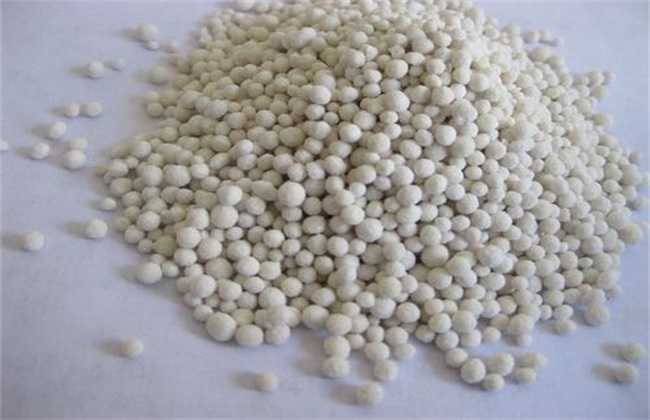
1. If there is nitrogen, phosphorus and potassium in the soil, there is no need to apply chemical fertilizer
The first misconception about using chemical fertilizer is that many people think that if nitrogen, phosphorus and potassium exist in the natural environment, there is no need to apply chemical fertilizer. In fact, when growing crops, although some nutrient elements naturally exist in the surrounding environment, these are not comprehensive. At the same time, they cannot provide all the substances the crops need. If you rely only on natural soil, then basically it takes decades of accumulation to ensure that the organic matter in the soil meets all the nutritional needs for crop growth. Moreover, the growth of crops in a single season can consume the nutrients that the soil accumulated over decades. Therefore, applying chemical fertilizer is a key measure to supplement soil nutrients.
2. Chemical fertilizer and organic fertilizer have the same nutrients, so organic fertilizer can be used entirely
During planting and production, if only organic fertilizer is used, then it is basically impossible to meet the nutritional needs of crop growth. Therefore, it is also difficult to achieve the goal of high crop yields, and yields can only be increased by greatly expanding the planting area. In addition, the proportion of nitrogen, phosphorus and potassium nutrient elements in organic fertilizer is difficult to balance. So applying chemical fertilizer is a key measure to ensure balanced nutrition. Moreover, the combined application of organic fertilizer and chemical fertilizer has a very good effect, so when fertilizing we should pay attention to applying them together.
3. Chemical fertilizer causes water eutrophication
If chemical fertilizer is used improperly, it will indeed cause pollution to the environment. However, although the leaching loss of chemical fertilizer can cause water pollution, there are actually very many causes of water pollution. Professional data surveys have shown that water pollution caused by urban sewage discharge is far more serious than that caused by chemical fertilizer leaching loss. Moreover, whether it is organic fertilizer or chemical fertilizer, both may leach and cause water pollution. So when applying chemical fertilizer, we should pay attention to controlling the fertilization time and the amount of fertilizers such as nitrogen, phosphorus and potassium, and fertilize scientifically, so as to effectively control the loss of chemical fertilizer.
4. Chemical fertilizer is harmful to the environment and human body
Chemical fertilizer actually contains substances that plants can absorb, and is a key fertilizer that provides a nutrient source for crops. Moreover, the nutrient elements in chemical fertilizer such as nitrogen, potassium, phosphorus and sulfur are actually the same as the nutrient elements in the human body and in food. Generally speaking, chemical fertilizer is not toxic, and the nutrient elements in chemical fertilizer are all obtained from nature and belong to natural substances in nature. Chemical fertilizer merely transforms these substances into substances that crops can absorb. The main reason chemical fertilizer causes harm to the environment and human body is excessive use of chemical fertilizer and single-sided partial application of chemical fertilizer. So as long as there is a reasonable fertilization method, it will not cause harm to the human body or the environment.
The above is a brief introduction to the common misconceptions about fertilizer use. That is all for today's introduction. This article is for reference only, and I hope it can be helpful to everyone!