How to improve the meat yield of meat rabbits? Practical methods shared
Rabbit farming is now very common in our country. At present, rabbit farming is generally suitable for wool rabbits, pet rabbits and meat rabbits. Among them, meat rabbits are the most common. Rabbit meat has high nutritional value and delicious taste, and is also welcomed by many people. However, when we raise meat rabbits, how can we improve their meat yield? Below, the editor will briefly introduce it to you. Let's take a look!
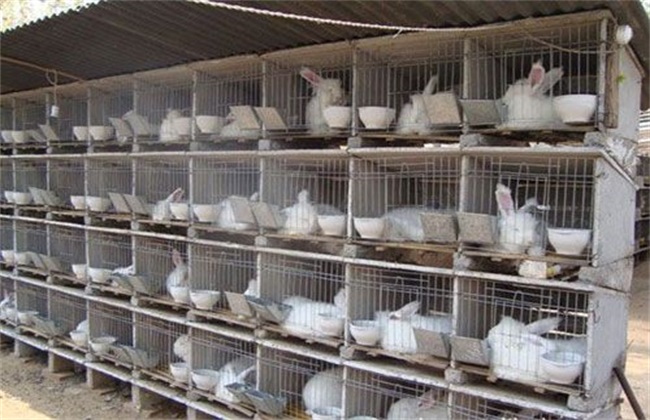
1. Ensure nutrition
Ensuring nutrition is a key measure to improve the meat yield of meat rabbits. When raising meat rabbits, we should use the method of fattening with both concentrate supplements and green feed. When supplementing concentrate in small farms, the nutritional level should be mainly crude protein, combined with an appropriate amount of crude fiber as well as calcium, phosphorus and methionine. According to changes in the body weight of the meat rabbits, gradually increase the feeding amount of pellet feed. And each meat rabbit should also be fed about 200g of green feed every day.
If it is a large-scale farm, then when feeding feed, complete pellet feed should be the main type. The crude protein content in the feed should be maintained at about 16%, while the crude fiber content should be increased to about 13%. The amount of pellet feed fed to each meat rabbit per day should be maintained at about 100g. Similarly, the feed amount should be gradually increased as the meat rabbits grow from small to large. With regular and quantitative feeding as the principle, let the meat rabbits eat freely, and at the same time ensure that the meat rabbits have sufficient drinking water.
2. Strengthen management
When raising meat rabbits, group rearing is generally the main method. During group rearing, they can be raised in separate cages and pens. Group them according to the body weight of the meat rabbits to prevent the phenomenon of the big bullying the small, which can effectively improve the quality of meat rabbits when they are marketed. During rearing, if the temperature is below 10°C, then bedding straw should be laid well and insulation measures should be taken. And the daily sunlight exposure time for meat rabbits should be maintained at about 12 hours. Finally, try to ensure that the rabbits in the same cage can eat and drink at the same time, avoiding the phenomenon of insufficient food intake for a certain rabbit. Also prevent meat rabbits from trampling on the feed, causing feed moisture contamination and waste.
3. Eliminate in time
Some sick rabbits and weak newborn rabbits should be eliminated in time, because these rabbits are extremely likely to die during the mid-fattening period. Moreover, their growth rate is slow, which easily leads to feed waste and increases farming costs. Therefore, when we begin fattening meat rabbits, we should promptly eliminate the weak young rabbits. Especially young rabbits suffering from diseases, because sick rabbits will not only spread diseases but also increase drug costs. In addition, even if young rabbits recover after illness, they are prone to poor growth. Therefore, once deterioration of sick rabbits is found, they should be eliminated in time to avoid outbreaks of epidemics.
The above is a brief introduction on how to improve the meat yield of meat rabbits. That is all for today's introduction. This article is for reference only, and I hope it can be helpful to everyone!