Reasons for Lavender Leaves Drying Up and How to Fix Them
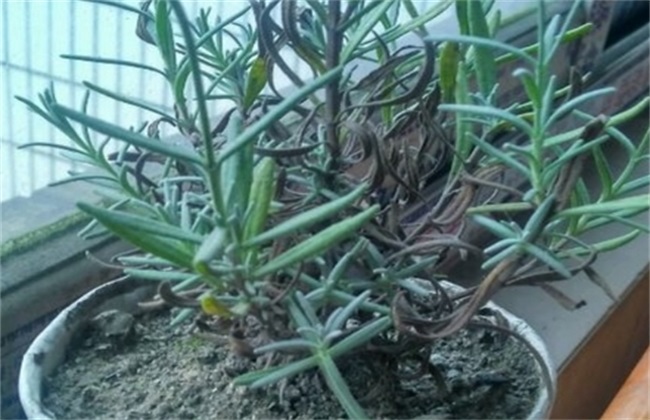
Lavender is a very common flowering plant in our daily lives. Nowadays, most are grown as potted plants, and when growing lavender, poor management can easily lead to many problems. One of these is lavender leaves drying up, which greatly affects its ornamental value. So what should you do when lavender leaves dry up? Let's take a look together below!
1. Provide appropriate shade
Lavender is a long-day flowering plant and has a fairly high demand for light during its growth. However, when growing it, we must be careful not to let lavender be exposed to direct strong light. This is because lavender has very poor tolerance to strong light and cannot withstand scorching sun exposure. Especially if it stays under the sun for a long time, the leaves are very likely to be scorched and dry up. Therefore, we should pay attention to providing shade, especially in summer, and must prevent direct sunlight exposure. It should be placed in a sunny spot with soft light for care, which is beneficial to its growth.
2. Water reasonably
Lavender has fairly strong drought tolerance, so its water needs during growth are not very high. Therefore, when watering lavender, we must pay attention to controlling the amount of water and must not water too much. If too much water is given, it can easily cause water to accumulate in the soil, drowning the lavender roots and causing the leaves to dry up. If this happens, drain the excess water promptly. Also loosen the soil regularly, turning out the wet soil to help the water evaporate as quickly as possible, but be careful not to damage the roots when loosening the soil.
3. Improve ventilation
Proper ventilation is also a key measure to ensure normal lavender growth. During the lavender growing period, if ventilation is poor and air circulation is weak, it will affect lavender's respiration and cause the leaves to wither. Poor air circulation also lowers air quality, which is very unfavorable to lavender growth. So when caring for it, be sure to place it in a well-ventilated spot, but not somewhere with too much wind, otherwise the plant can easily lodge. Proper ventilation not only enhances lavender's respiration but also reduces the growth of bacteria.
4. Remove from the pot and trim the roots
When growing lavender, if you want it to bloom more and increase its ornamental value, fertilizing is also indispensable. Lavender also has certain nutritional needs during growth, so pay attention to proper fertilization. However, control the amount and concentration of fertilizer well. If the concentration is too high, the lavender plant can easily be burned, and the leaves will also dry up as a result. If the dead leaves are caused by this reason, immediately remove the plant from the pot and trim the roots, and rinse the potting soil with clean water. Then cut off the rotted roots, replant it in new soil, and let it recover slowly.
The above is a brief introduction to what to do when lavender leaves dry up. That's all for today's introduction. This article is for reference only, and we hope it can help everyone!