What effects does cold stress have on pigs?
Pig farming is very common in our country, and when raising pigs, we need to do all kinds of management work well. If management is poor, pigs are extremely prone to various stress reactions, which seriously affect their growth. Among these, heat stress is relatively common, but besides heat stress, cold stress also has a great impact on pigs. So what effects does cold stress have on pigs? Let's take a look together below!
1. Reduced production performance
Temperature is very important for pig growth and directly affects pigs' voluntary feed intake and energy utilization. If the temperature inside the pig house is low and pigs develop cold stress, then the pigs need to consume more nutritional energy to maintain their own body temperature. This leads to a decline in average daily weight gain; although feed intake increases somewhat, most of it is used to maintain their own physiological needs. Moreover, in a low-temperature environment, the gastrointestinal peristalsis of pigs speeds up, causing chyme to spend too little time being digested in the intestinal tract, reducing feed utilization and increasing the feed-to-meat ratio.
Professional data surveys have shown that when the temperature inside the pig house is below 15°C, the feed intake of pigs is inversely related to changes in temperature. For every 1°C decrease, feed intake needs to increase by about 20 g. However, daily weight gain decreases by about 15 g. Compared with a suitable temperature environment of 20°C, under cold stress conditions, the weight gain rate of finishing pigs drops from about 1 kg per day to about 0.75 kg, while the feed-to-weight ratio increases.
2. Affecting pig health
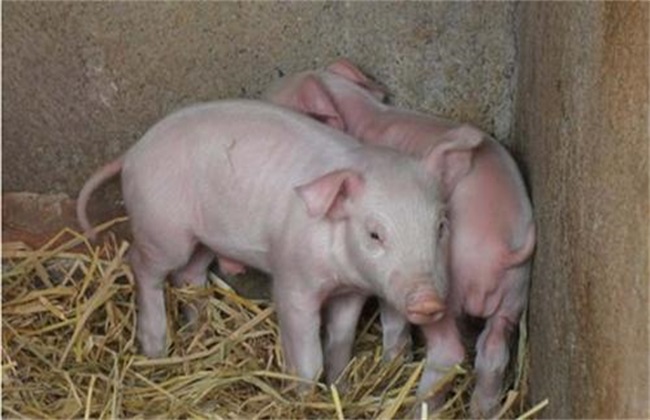
If the temperature inside the pig house is lower than the suitable temperature for pig growth, pigs are extremely prone to cold stress. This is manifested in phenomena such as vasoconstriction, piloerection, tail biting, and huddling. The morbidity and mortality rates of pigs both increase, especially in young pigs. If young pigs develop cold stress, their physiological functions are extremely prone to disorder because they are not yet fully mature. Examples include metabolic disorders and reduced immunity. This leads to a high incidence of disease, and once piglets become ill, it is often mainly due to one primary disease, with secondary complications of various other disorders.
3. Decreased reproductive capacity
The impact of cold stress on the body condition of sows is also very great, causing sows to be unable to realize their full production potential. Moreover, under long-term cold stress, the phenomena of miscarriage, premature birth, and stillbirth in sows are very serious. Reproductive capacity declines, and in severe cases it can even affect a sow's lifelong reproductive ability. Therefore, the coldest winter is generally also the time when the reproductive rate of sows is lowest. If cold stress is relatively mild, the harm to boar reproductive performance will not be very great. However, if rearing conditions are harsh, it can easily lead to frostbite of the boar's testicles and affect the quantity and quality of boar semen, thereby reducing the breeding rate.
The above is a brief introduction to the effects of cold stress on pigs. That is all for today's introduction. This article is for reference only, and we hope it can help everyone!