What symptoms and signs appear when pigs experience cold stress
Pigs are raised across a very large area in China, and although pig farming is very common, raising pigs is not as simple as we might imagine. During pig farming, if the temperature is unsuitable, pigs are highly prone to cold stress, which can have a serious impact on their growth. So what symptoms appear after pigs experience cold stress? And what causes it? Below, the editor will give you a brief introduction. Let's take a look together!
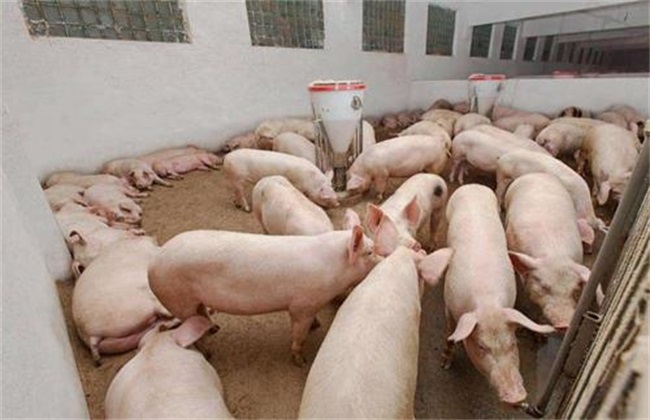
1. Symptoms
After pigs experience cold stress, they generally come down with the illness suddenly. Their body temperature gradually drops to around 36 degrees, their food intake decreases noticeably, and in severe cases they refuse to eat and are unable to stand. If you examine the pig's anus, you will find anal relaxation and rectal prolapse. Pigs suffering from cold stress generally have no other medical history, and if they are not treated in time or the treatment is inadequate, it can very easily lead to the death of both the sow and the piglets.
Pigs showing a cold stress reaction mainly display fear of cold, huddling together, shivering and trembling, and increased urination. Their body temperature is very low, their responsiveness declines, and they show dullness, stupor and similar signs. Generally, about 30%-65% of pigs in the same litter will be affected at the same time, and the mortality rate can reach 25%; in severe cases, the entire litter dies. If you examine a dead pig, you can also find sunken eyes, dehydration, and rough body hair. On necropsy, the gastrointestinal mucosa sloughs off, the intestinal wall is relatively thin, and undigested feed and unformed feces are present in the intestinal tract.
2. Causes
Cold stress in pigs is mainly caused by insufficient nutrition, being thin and weak, and poor constitution. At the same time, during farming, if cold weather occurs, with too great a temperature difference between day and night, and a sudden drop in temperature that is not adjusted for in time, these can also become triggers of cold stress in pigs. Among them, old, weak, sick and disabled pigs, pregnant sows and piglets have a higher probability of developing cold stress. Sows kept in gestation stalls, raised on concrete floors, and given cold water to drink for a long time are also highly prone to it.
3. Prevention and treatment
First, we must pay attention to raising the temperature of the pen. If the low-temperature season arrives, the pen temperature should be adjusted in time. Keep the temperature within the suitable range for pig growth. If any pigs show cold stress, then their body temperature should be raised in time to avoid hypoglycemia, and good insulation measures should be taken. They can be placed in a pen with a suitable temperature, and if they are piglets, they should be placed in an insulated box in time. This promotes a rapid recovery of body temperature and relieves the cold stress in the pigs.
The above is a brief introduction to what symptoms cold stress in pigs presents. That is all for today's introduction. This article is for reference only, and we hope it can be helpful to everyone!