Why has the clivia not grown any leaves from summer until now
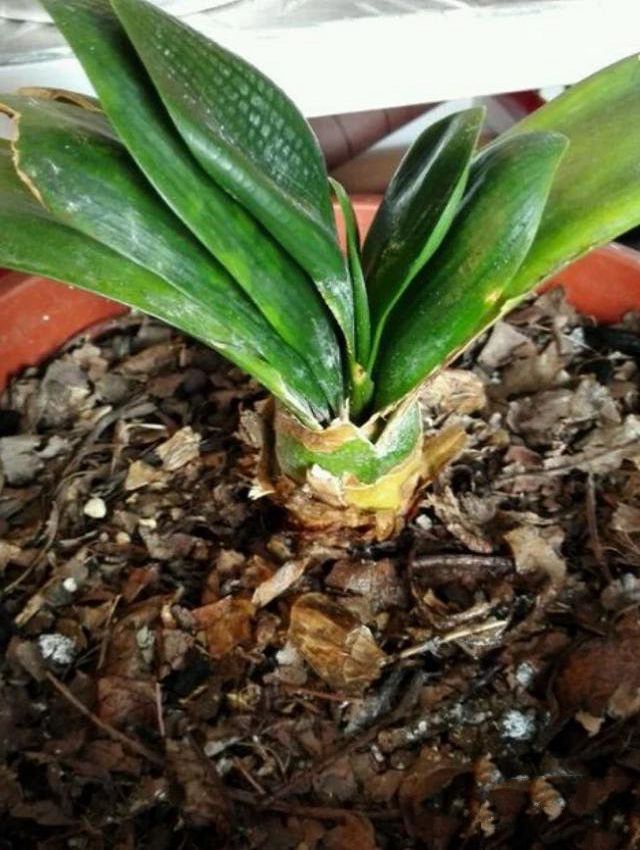
From summer until now it has not grown for as long as half a year. Personally, I think the biggest reason is that problems with the root system and the potting soil have caused a stalled growth state. The growth of a plant's leaves depends on how well the root system develops. When the roots are good, the plant's nutrient supply mechanism works normally and the leaves grow naturally. Conversely, if the roots are damaged by external factors, they lose the ability to absorb external nutrients and enter a self-protection state, retaining only enough nutrients to keep the leaves alive while unable to supply what is needed for growth, leaving the leaves in a state where they neither die nor grow. At HouNiao YuHuaGu we classify this as a stalled seedling.
Photo of a stalled seedling caused by overly wet potting soil
It starts from summer, but I do not agree. Divided by season: summer is June, July and August, but the pattern of plant disease is different. The time when a disease is discovered and the time when it actually develops are essentially different. Often the disease develops earlier than it is discovered, so the cause of the disease can be pushed back earlier, and should be March, April and May of spring.
In the north, from March to May, because the air is dry and windy, and it turns warm but is still cold at first, plus the fact that windows are often not opened for ventilation in winter, indoor air circulation is very poor, so it is often difficult for water to dry out and the root system is often in a half-moist, unventilated state. New roots that encounter moisture are prone to rot at the tips and shrink back. At this time the potting soil should be kept on the dry side and watering should be controlled.
Photo of root damage and stalled growth caused by nitrate accumulation
At this time, if the plant is moved outdoors too early, it can easily lead to dry leaves, twisting damage, sunscald or root damage.
Overall: starting in April of spring, indoors it is not only clivia, but all kinds of flowers begin to break out with winter indoor ailments, among which root rot and damaged seedlings caused by improper watering are the most serious.
Improper potting soil
Clivia likes loose, fertile, water-permeable, air-permeable, slightly acidic soil. Northern flower growers often use ferrous sulfate diluted in water to improve the problem of potting soil being too alkaline. But they overlook the harm caused by using too much ferrous sulfate! When ferrous sulfate is used for a long time, a large amount of nitrate accumulates in the potting soil, and once it exceeds 0.3% it easily damages the roots. Add to that improper fertilization by growers, and the root tips often become shriveled, shrunken and hollow and stop sprouting new roots. Add to that not repotting for a long time, and the potting soil becomes compacted into hard lumps over time. Most novice growers have the mindset of planting once and then no longer managing it, just quietly waiting for good growth and blooming! Leaving it alone, not fertilizing when nutrients are lacking, not loosening the soil when it is not airy, and so on, all make it difficult for the root system to produce new roots and cause stalled growth.
Fungal root rot and stalled growth caused by overly wet potting soil and poor ventilation
In addition, clivia also has a kind of slow-growth situation, namely clivia that has just been purchased and is in the seedling recovery period, and clivia in the seedling transplant period. During the recovery period, there can sometimes be a phenomenon lasting as long as half a year. This is determined by the characteristics of clivia, whose growth feature is to grow roots first and leaves afterward, just as I said at the beginning of the article: only when the roots grow well do the leaves grow.
For clivia and other flowers that show stalled growth, I always take them out of the pot and check the roots. I often find that among the roots of clivia that are not growing, most of the white tender fleshy roots are shriveled, brown and hollow, or have black root tips. Therefore, after taking the plant out of the pot, first disinfect it with potassium permanganate solution for half an hour, cut off the rotten roots, let it dry, soak it in rooting water for 12 hours, then first use coarse sand and similar media to encourage rooting. When the stalled seedling begins to sprout new leaves, switch to leaf mold soil or special clivia soil and repot it to restore vigor. Sometimes I also use pine needles plus clivia soil plus river sand, because the root-fixing effect of special soil is not good. If you observe carefully, clivia grown in pure special soil will have a crooked plant body after watering. But after I mix in river sand, the growth remains good.
The stalled growth phenomenon of clivia is also related to poor growth caused by excessive light or long-term growing in shade. Long-term lack of light can cause death. Except in summer, the other three seasons can be given sufficient light. But this has little to do with stalled growth. As for not fertilizing for a long time, that only causes poor growth and is not the main cause of stalled growth.