What are the common fertilizer application methods?
Fertilizing is a very important task when we carry out planting and production. Proper fertilization is a key measure to ensure that the nutritional needs of crop growth are met, so no matter what crop we are planting, we must pay attention to doing the fertilization work well. There are many fertilization methods, so what exactly are they? Today the editor brings you the common fertilizer application methods. Let's take a look below!
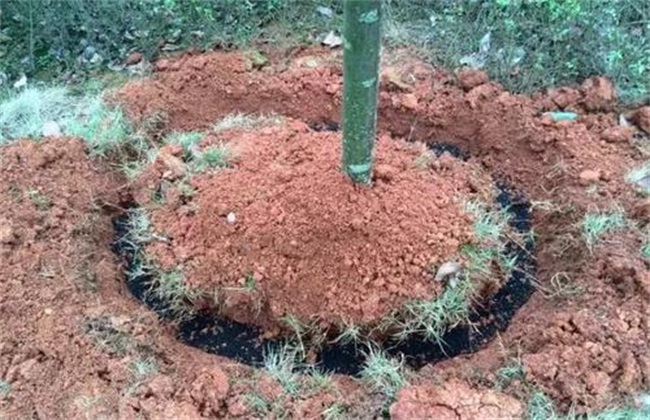
1. Ring fertilization
Ring fertilization is what we commonly call circular fertilization in daily life. It mainly involves digging a ring-shaped trench around the canopy at a relatively distant spot for fertilization. Although ring fertilization is relatively simple to carry out and economical in fertilizer use, you must also be careful not to dig through the horizontal roots, and the range of ring fertilization is relatively small, so it is only suitable for fertilizing young trees. Then there is semi-ring fertilization. Semi-ring fertilization is based on the ring shape but breaks it into about 3 pig-trough-style fertilization trenches. This method damages fewer roots, and can appropriately change the fertilization position, expand the fertilization area, and is suitable for dragon fruit orchards planted in hilly and mountainous areas.
2. Radial fertilization
Radial fertilization means digging about 5 radial trenches outward from a position about one meter from the main trunk below the tree, with the trunk as the center point. The depth of the trenches should usually be kept at about 30cm, and then the fertilizer is applied into them. Compared with ring fertilization, radial fertilization causes relatively less damage to the roots. However, when digging the trenches, we must also be careful to avoid the large roots. Then, about every other year, be careful to change the position of the radial trenches to increase the fertilization area and strengthen root absorption.
3. Irrigation fertilization
Irrigation fertilization is combining topdressing work with watering work. In recent years, our country's drip irrigation technology has gradually matured, and this fertilization method has also gradually been applied. Irrigation fertilization, whether sprinkler irrigation or drip irrigation, can supply fertilizer to crops in a timely manner, and the fertilizer can also be guaranteed to be evenly distributed. It neither affects the roots nor damages the soil structure of the plow layer, and its fertilizer utilization rate is also very high. Therefore, in recent years, this irrigation fertilization method has gradually become popular and is used in many places.
4. Whole-orchard fertilization
For some mature trees or densely planted orchards, whole-orchard fertilization is the main fertilization method. Because at this time, the roots have basically spread throughout the whole orchard, so the whole orchard must be sprayed thoroughly. First spread the fertilizer evenly into the orchard, and then place it about 20cm into the soil. The roots can absorb the fertilizer evenly and well, but because the fertilization depth is relatively shallow, the root system is prone to turning upward, and its stress resistance is reduced. It can be applied in rotation with radial trench fertilization, and the two can complement each other to maximize the effectiveness of the fertilizer. Finally, there is also the foliar fertilizer application method. Foliar fertilizer is absorbed quickly and shows obvious results, and can meet the urgent nutritional needs of fruit trees.
The above is a brief introduction to the common fertilizer application methods. That is all for today's introduction. This article is for reference only, and I hope it can help everyone!