Precautions for Good Environmental Pest Control in Pig Farms
Pig farming is a very common breeding project in China, and it is practiced in all parts of the country. When raising pigs, we need to do a good job in all kinds of management work, especially pest control. Pigs are highly prone to parasitic diseases during growth, because many pig farms only focus on deworming and do not pay attention to environmental pest control. Therefore, we must pay attention to environmental pest control in pig farms. So how should it be done? Let's take a look!
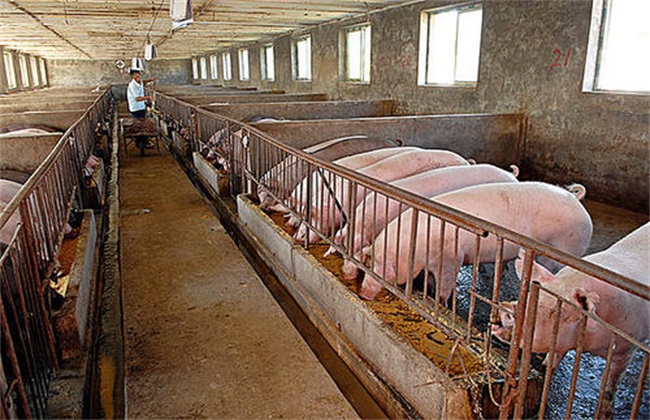
1. Environmental pest control
Environmental pest control for pigs is mainly based on prevention. When preventing parasitic diseases in pigs, we should pay attention to setting up a farrowing room and carrying out strict disinfection work on it. Especially for pregnant sows, deworming and epidemic prevention work is very important. Before the sow is about to give birth, be sure to wash the whole body of the sow clean. Then when raising piglets, there should be a dedicated piglet house to ensure that drinking water and feed are clean and tidy. The floor of the pig house should maintain a certain slope to avoid water accumulation.
2. Manure cleaning
Parasite eggs inside the pig's body are excreted from the body along with the pig's manure. And the eggs of some parasites will quickly become infectious larvae capable of transmission under suitable conditions. Therefore, we should pay attention to regularly cleaning the manure in the pig house. If the parasitic disease is severe, then not only should basic cleaning and hygiene work be done well, but attention should also be paid to disinfecting the pig house, exercise yard, etc., to eliminate larvae and eggs. For the soil, the topsoil can be removed and then replaced with new soil for disinfection. After the manure and the manure in the pig house are removed from the pig pen, they should be piled up away from the pig pen for fermentation.
3. Prevent the introduction of pathogens
As just mentioned, parasitic diseases in pigs are mainly based on prevention. Therefore, we should strengthen prevention work to avoid the introduction of pathogens. For some pig farms where parasites have already been controlled or completely eliminated, when introducing new pigs, isolation and rearing work should first be done well. Check the manure of the new pigs to determine whether parasites are present. If parasites are found to be present, then deworming should be carried out about twice in time, and then checked again. Only after ensuring that no parasites are present can they be raised together in the herd.
4. Medicinal prevention and control
When checking pig manure, if eggs are found, it means that a large number of adult worms already exist in the pig's body. At this time, the pig should be isolated in time, and then deworming medicine should be used in time for deworming. However, although deworming medicine has been used for deworming, it has already caused harm to the pig. Piglets are relatively susceptible to parasite infection, so in order to reduce the chance of piglets being infected with parasites, an appropriate amount of deworming medicine should be used for preventive deworming when piglets are given supplementary feed.
The above is a brief introduction to environmental pest control in pig farms. That is all for today's introduction. This article is for reference only, and I hope it can help everyone!