What to Do When Ammonia Levels in the Chicken Coop Are Too High? Practical Ways to Reduce Ammonia in the Coop
Raising chickens is very common in China, and when raising chickens, it is inevitable that the birds will produce chicken manure. When there is too much manure, it produces a large amount of ammonia, making the air quality inside the coop very poor. This is extremely harmful to the chickens' growth, so when raising chickens we must pay close attention to good management and reduce the ammonia in the coop as much as possible. So how exactly can we reduce ammonia in the coop? Below, the editor will give everyone a brief introduction. Let's take a look!
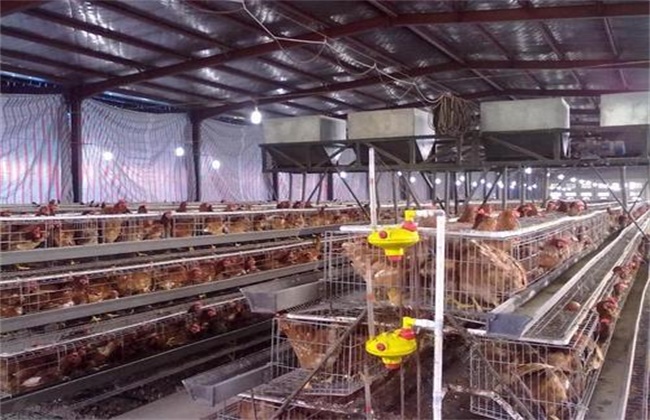
1. Clean out the droppings and change the bedding
When thinking about how to reduce ammonia in the coop, we must first pay attention to what the source of that ammonia is. Most of the ammonia produced in the coop comes from chicken manure. So if you want to reduce ammonia in the coop, the first thing you must do well is to promptly remove the droppings from the coop. Do a good job of cleaning out the droppings regularly, and especially when raising chickens on the floor, pay even more attention to doing a good job of removing the droppings. As for the bedding in the coop, you should also pay attention to replacing it regularly to keep the bedding clean and free of contamination, otherwise it will also produce a large amount of ammonia.
2. Drain waste and remove moisture
When raising chickens, temperature is very important to their growth, so when raising chickens, keeping them warm is something many people pay close attention to. But they overlook the work of draining waste and removing moisture in the coop. While ensuring the temperature inside the coop, we must also pay attention to draining waste and removing moisture. Regularly open the vents in the coop for ventilation and air exchange to maintain the air quality inside. If you feel that the smell of ammonia in the coop is severe, then it has definitely exceeded the standard. At this point, you should promptly carry out ventilation and air exchange, and keep ventilating until a person no longer feels stuffy or finds it pungent.
3. Drug prevention and control
In the coop, we can appropriately spread some superphosphate. Superphosphate can combine with ammonia to form ammonium phosphate, thereby reducing the harm of ammonia to the chickens; generally, spreading it once a week is enough. Then we can also spray some peracetic acid in the presence of the chickens. Peracetic acid can produce acetic acid substances in the air, and acetic acid can neutralize the ammonia in the coop to form ammonium acetate. When spraying, first dilute the peracetic acid, then spray it directly into the coop. About twice a week; if the flock becomes ill, then spray once in the morning and once in the evening every day.
In addition, we can also spray an appropriate amount of formalin. Dilute the formalin to about 10%, and spray it in the coop about once every 4 days. It can both reduce the ammonia concentration and also play a disinfecting role. Finally, you can also do acetic acid fumigation: first mix vinegar with water, then place it directly in the coop and boil it, keeping the time at about 10 min each time. After fumigation, promptly remove the heating device to avoid consuming too much oxygen. Acetic acid fumigation can not only remove the ammonia in the coop, but also reduce the concentration of other toxic gases inside the coop.
The above is a brief introduction to how to reduce ammonia in the chicken coop. That is all for today's introduction. This article is for reference only, and we hope it can help everyone!